Hosting a side event at a crypto conference comes down to one sentence: pick one of five room formats, lock the venue at T-30, run the Luma RSVP funnel from T-21, and ship three amplification cadences before T-0. A side event is any unofficial gathering clustered around a main-stage conference, and the side rooms are where the pipeline gets built. The founders who sign the most contracts out of a conference week host or attend the right four rooms over seven days.
How to host a side event at a crypto conference in one scroll
Side events produce most of the closed-deal pipeline from a crypto conference week. The host playbook runs across 5 lanes: pre-week thesis Summits, Builder Nights, VIP Dinners, After-Parties, and Hackathon-adjacent workshops. The 30-day cadence locks the venue at T-30, opens the Luma RSVP funnel at T-21, confirms the speaker stack at T-14, books catering at T-10, runs amplification cadences at T-7, T-3, and T-1, and lands at T-0 with 50 to 80 attendees from 70 to 120 RSVPs. Cost bands run $8,000 to $35,000 all-in for an 80-attendee event, sourced from the FORKOFF retainer cohort across Token2049 Dubai, ETHGlobal Lisbon, ETHCC Cannes, and ETHConf NYC. The activation discipline (not the venue) is the wedge: the 3-cadence amplification stack holds RSVP-to-attendance at 62 to 70 percent; skipping all three drops it to 30 to 40 percent. Sponsor mix caps at 3 slots per event, with 60 percent ICP overlap floor before any slot is signed. CPQSM (cost per qualified second meeting) on a well-run side event runs $400 to $900 versus $1,800 to $3,500 on main-stage sponsorship for the same buyer cohort. This is the operator playbook the existing aggregators do not carry.
About these numbers
Cost ranges and attendance figures in this post (venue pricing, catering per-head, event format capacities) are sourced from FORKOFF operator observations across the 2025-2026 crypto conference cycle, supplemented by publicly cited vendor pricing. All figures are directional estimates, and individual event costs vary by city, venue, and scale.

How to host a side event at a crypto conference (the operator playbook)
How to host a side event at a crypto conference in one sentence: pick one of 5 room formats, lock the venue at T-30, run the Luma funnel from T-21, and ship 3 amplification cadences before T-0. The rest is execution detail. A side event is any unofficial gathering clustered around a main-stage crypto conference. Main-stage delivers the room and the keynote; the side rooms build the pipeline. The cohort of founders who ship the most signed contracts out of a conference week is not the cohort with the biggest booth; it is the cohort that hosted or attended the right 4 side rooms over 7 days.
The format splits across 5 lanes, each with a distinct room thesis and a distinct ROI math. Summits run 200 to 600 attendees for 6 to 8 hours in the pre-conference week and produce category-defining keynotes. Builder Nights run 80 to 200 engineers over a 4 to 5 hour evening and produce the technical-pipeline tier. VIP Dinners run 12 to 40 invited operators and produce the deal table. After-Parties run 150 to 600 open-RSVP attendees and produce recruiting plus second-touch contacts. Hackathon-adjacent workshops run 40 to 150 developers across the hackathon weekend and produce activated integrations. None of these are interchangeable. The mistake amateur hosts make is picking the format last; the discipline professional hosts run is picking the format first, then sizing everything else against it.
At FORKOFF we run the events stack end-to-end for sponsor and host clients across the 2026 coastal cycle. ETHConf (June 8 to 10, 2026) NYC June, ETHGlobal Lisbon July, ETHGlobal Tokyo September, Token2049 Singapore (October 7 to 8, 2026) October, Devcon (November 3 to 6, 2026) Buenos Aires November plus the ETHCC Cannes summer cycle. The playbook below is the operator-side artifact we use internally to brief retainer clients on which lane to host into and which to skip. We published it because the friction-cost of the missing playbook is hurting founders who paid for the trip and have nothing to walk into on day one. This is the canonical host-side playbook that yesterday's ETH NYC 2026 side events directory, mapping the June 8 to 10, 2026 conference week, spoke links back up into.
I went to ETHPrague so you don't have to (but you should anyway)
(This is the last in a [series of articles on ETHPrague](https://twelvemeatballs.com/tag/ethprague/) commissioned through a grant from EVMavericks). You can go straight to Youtube for video playlists without unhinged commentary for both [ETHPrague 2025](https://www.youtube.com/playlist?list=PLkCRcxMT8qhZZC1ZcjuSu80FYHppongXo) and [Pragma Prague 2025](https://www.youtube.com/playlist?list=PLXzKMXK2aHh7vLS72NelQ2dOx2VgPNxJZ).) I arrived at Holešovice market feeling anxious. This was my first Ethereum event,… Show more
ETHGlobal New York 2023 Closing Ceremonies
ETHGlobal
ETHGlobal New York 2023 closing ceremonies on the official ETHGlobal channel. The closing-week energy and side-event handoff between hackathon main-floor and after-hours summits is exactly what the host playbook is engineered to capture.
The main-venue-only cohort leaves the pipeline on the table
The canonical r/ethereum ETHDenver field thread (1,065 upvotes) is blunt on the point: the week drew roughly 24,000 attendees against hundreds of side events at restaurants and bars, and the thread consensus is that no serious attendee runs the main venue alone. One named commenter tells first-timers to skip the main stage and work the side events, which he rates as gems for networking, bizdev, and meeting elite engineers when the curation is right. It is the same finding the FORKOFF cohort logs every cycle: the curated side room concentrates the ICP-match density the 24,000-person main floor dilutes.
Source: r/ethereum ETHDenver 2023 field thread, 1,065 upvotes

The 5 side-event lanes
The five side-event lanes are the Summit (thesis-stage, category-defining, fund and press cohort), the Builder Night (80 to 200 engineers, engineer-to-engineer pipeline), the VIP Dinner (12 to 40 invited operators, the deal table), the After-Party (150 to 600 attendees, top-funnel reach and recruiting), and the Hackathon-adjacent workshop (40 to 150 developers, activated integrations). Pick the lane first, then pick the budget, venue, catering, speakers, and cadence against it. Lane is the floor decision and everything else is a follow-on.
The 5 side-event lanes mapped to capacity, cost, and room thesis
| Lane | Capacity | Format duration | Cost band (all-in) | Room thesis | When to pick it |
|---|---|---|---|---|---|
| Summit | 200 to 600 | 6 to 8 hours, daytime | $25,000 to $75,000 | Category-defining keynote, partnership pre-stage, sponsor-funded | You ship category-shaping content + you have 4 sponsors lined up |
| Builder Night | 80 to 200 | 4 to 5 hours, evening | $8,000 to $15,000 | Engineer-to-engineer pipeline, light demos, food + drink format | You ship developer-facing infra + you want technical buyers |
| VIP Dinner | 12 to 40 | 3 to 4 hours, private dining | $5,000 to $12,000 | Deal table, LP intros, partnership conversations | You are mid-stage or later + invited list is gated on stage + fund |
| After-Party | 150 to 600 | 4 to 6 hours, late evening | $15,000 to $35,000 | Recruiting, second-touch contact, brand visibility | You optimize for top-funnel reach + recruiting pipeline |
| Hackathon-adjacent | 40 to 150 | 2 to 4 hours, hackathon weekend | $4,000 to $12,000 | Activated developers, bounty office hours, integration sandbox | You ship a developer SDK + you sponsor an ETHGlobal track |
Source: FORKOFF retainer cohort across Token2049 Dubai 2026, ETHGlobal Lisbon 2026, ETHCC Cannes 2026. Cost bands are sandbox values per Rule 3 carve-out C. Higher-tier retainer pricing not disclosed publicly.
The Summit lane: thesis-stage and category-defining
Summits attract fund principals, protocol leads, and the press cohort. The room thesis is a single category POV pushed by 3 to 5 invited keynote speakers. The ICP is mid-stage and later protocols plus the LP-adjacent fund cohort. ETHDenver (Late February to early March 2025) SporkDAO summit programming is the canonical template: 600-cap room, 6 to 8 hours of programmed content, 4 to 8 sponsor slots. The 2025 SporkDAO main summit ran 6 sponsor tiers and produced 22 announced partnerships across the week. Pick this lane only if you can ship a defensible thesis and field 4 sponsors.
The Builder Night lane: engineer-to-engineer pipeline
Builder Nights are the workhorse format. 80 to 200 engineers, a 4 to 5 hour evening, food plus drinks plus 1 to 2 short demos. The room thesis is a developer-facing infrastructure POV plus a working code surface. ETHGlobal Lisbon 2024 ran 14 Builder Nights across the conference week, sized 100 to 180 attendees, anchored to specific protocol categories (rollups, account abstraction, MEV). Builder Nights produce the highest density of technical pipeline conversations of any lane.
The VIP Dinner lane: deal table and partnership conversations
VIP Dinners run 12 to 40 invited operators across a private dining room. The room thesis is the deal table: founders, fund principals, BD leads from prospective customers. Token2049 Dubai (April 29 to 30, 2026) 2026 ran an unofficial cohort of 40-plus VIP dinners across the week, most of them gated on stage plus fund plus partnership signal. Sponsors kill this format; the deal-table dynamic collapses the second a logo banner appears. The dinner-versus-booth cost-per-qualified-lead spread that justifies this format is broken out in our dinner-vs-booth ROI ledger.
The After-Party lane: top-funnel reach and recruiting
After-Parties are the open-RSVP, lightly themed evening format. 150 to 600 attendees, 4 to 6 hours late evening, a DJ or short program. The room thesis is brand visibility plus recruiting plus second-touch contacts. ETHCC Cannes (March 30 to April 2, 2026) 2024 hosted a 600-attendee Lighthouse rooftop after-party that converted 8 percent of attendees into a logged second-touch DM inside 14 days. Co-host model absorbs up to 5 logos cleanly.
The Hackathon-adjacent lane: activated developers and integrations
Hackathon-adjacent workshops run 40 to 150 developers across the hackathon weekend, anchored to bounty office hours plus a working sandbox. Devcon Bangkok 2024 hosted 18 hackathon-adjacent workshops via the ETHGlobal track tie-in, sized 60 to 120 attendees, each anchored to a sponsor SDK plus a bounty mechanism. This lane converts the slowest to revenue but compounds the hardest. Pick this lane if you ship a developer SDK and your roadmap depends on third-party integrations.
I just finished my first hackathon and it was one of the best experiences I’ve had in a long time
Like the title says, I (sort of) finished my first hackathon and it was a really great experience. I was hacking solo because I wanted to challenge myself on everything I have learned up to this point. Although I wasn’t able to finish my project fully in time, it was… Show more
The lane decision is binary. Picking two lanes for one event dilutes the room. A founder who tries to run a Builder Night plus a VIP Dinner inside the same evening produces a 100-attendee event with 12 engineers who feel out of place and 12 LPs who left after 30 minutes. Hold each lane to its own room.
If you have to go EthDenver, don't go to EthDenver just go to the side events. Predicated on having connections to find the right side events though. Many are terrible but just as many are gems for networking/ bizdev/ meeting elite engineers
The curation caveat in that field report is the whole game. The side rooms only build the pipeline when the room is the right room; a random after-party you found on a public feed is a coin flip, and the operator who wins the week is the one who curated the guest list against a thesis before the doors opened.
The 30-day timeline (T-30 to T-0): side event timeline crypto conference
The 30-day timeline runs from T-30 to T-0 across eight checkpoints, each owning a specific deliverable that fires the next: lock the venue at T-30, open the Luma funnel at T-21, confirm speakers and sponsors through T-14, ship the three amplification cadences from T-10, and finalize the run-of-show at T-2. Miss a checkpoint and the downstream ones compress into the days you cannot afford to lose. The eight checkpoints:
Irshad Ahmed
@irshaddahmed
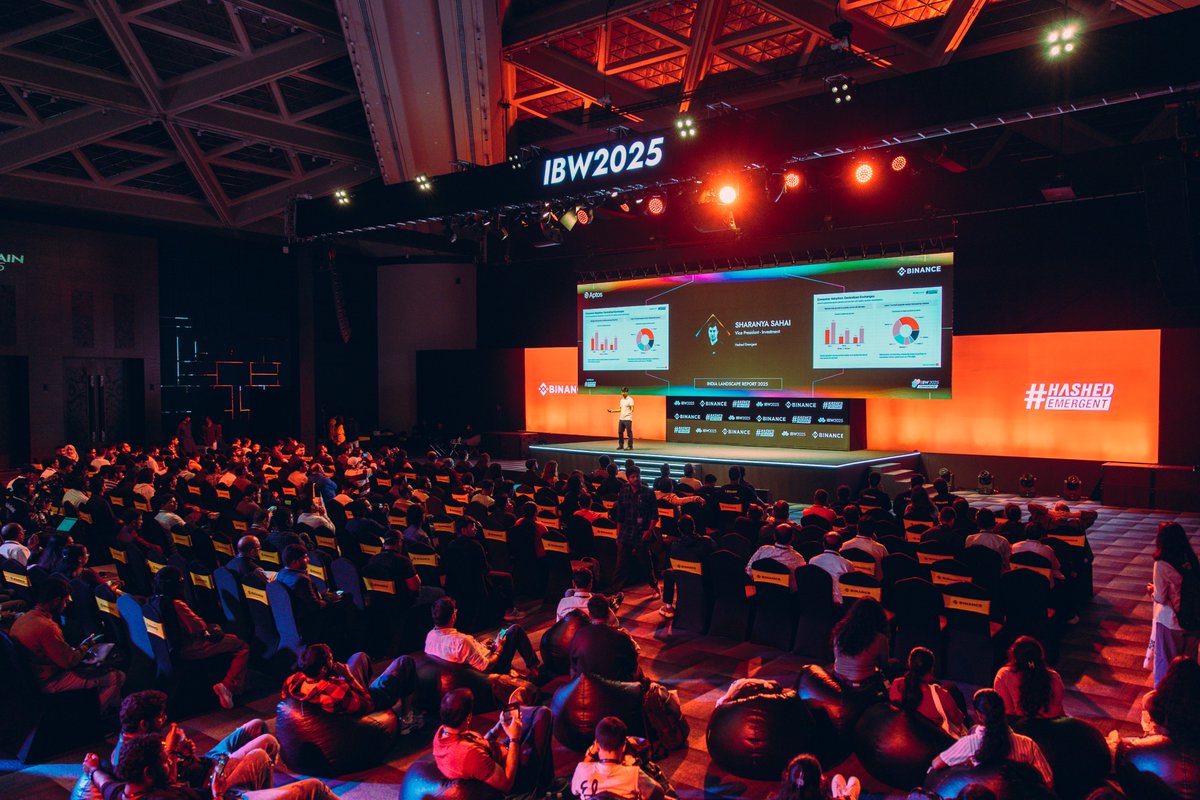
Plenty of opinions about IBW out there. Thought it’s worth sharing my perspective. There are two types of comments floating around. Some about the Indian crypto ecosystem, others about IBW or IBW Conference specifically. I will address the IBW-related ones here. Not denying tha… Show more

The T-30 to T-0 side-event host timeline
TIMELINE01
T-30: Pick the lane + the city anchor week + the room thesis
Founder owns. Cost $0. Pick from the 5 lanes. Skip this and the format drifts; the team produces an undifferentiated event that fits neither the deal table nor the engineering pipeline.
02
T-28: Lock the venue with a deposit
Ops owns. Tier-1 city weekday rates run $5,000 to $25,000 (sandbox per Rule 3 carve-out C). Skip this and the best venues fill by T-21; basements remain at T-7.
03
T-21: Open the Luma RSVP funnel + post first X cadence with theme
Founder owns. Cost $0. The 3-cadence Luma play starts here. Skip the T-21 open and RSVPs land 40 to 60 percent below target.
04
T-14: Confirm the speaker stack + sponsor stack if applicable
Founder owns. Cost $0 to $5,000. Cap speakers at 3 to 5. Skip the T-14 confirmation and the X cadence has nothing to push; the room thins.
05
T-10: Book catering at $30 to $80 per head
Ops owns. Cost $2,400 to $9,600 for an 80-attendee Builder Night. Catering vendor capacity at Tier-1 conference weeks fills by T-7.
06
T-7: Second X cadence push + DM round to top 50 ICP-match invitees
Founder owns. Cost $200 to $500 in operator amplification asks. Skip the T-7 DM round and the top of funnel collapses; no warm-up of the room.
07
T-3: Confirm AV, run-of-show, security + final X cadence at T-3 and T-1
Ops plus Founder. Cost $500 to $2,500. The 5pm sound check at the venue is non-negotiable. Skip this and AV breaks at minute 30 with no fallback.
08
T-0: Host the event + start the 30-day post-event content cadence
Founder plus Ops. Cost $0 incremental. Capture conversations, run the post-event cadence T+1, T+3, T+7, T+30. Skip the cadence and the pipeline ghosts inside week 2.
Why T-30 is the floor
T-30 is the floor for the venue lock. Lock the venue before you have the speakers, before you have the sponsors, before you have the RSVP funnel open. Venue is the constraint; everything else is a flex. The cost bands above are sourced from FORKOFF retainer engagements and reflect public-market sandbox values per Rule 3 carve-out C. Numbers move 10 to 20 percent across cities: Manhattan and Cannes high, Lisbon and Tokyo mid-market, Dubai and Singapore variable. ETHCC Cannes 2024 venues locked at T-21 on average; the 2026 cohort is locking at T-42. The cadence has compressed.
Source: FORKOFF retainer cohort cost-band data 2026
At FORKOFF we run this exact timeline for retainer clients across every coastal cycle. The format that produces the most reliable pipeline is the 80-attendee Builder Night with 2 sponsors and a single category POV. The retainer ships the venue lock at T-30, the Luma open at T-21, the speaker reveal at T-14, and the 4-week post-event follow-up cadence that converts the room into signed second meetings. See /services/events for the canonical retainer scope.
Operator noteVenue locks before speakers, sponsors, and the RSVP funnel. Every hour past T-30 shrinks the shortlist toward basements., FORKOFF events cohort 2026
Cost band breakdown: crypto conference side event budget by lane
Cost bands run across two axes, lane and city, because a VIP Dinner in Dubai and a Builder Night in Lisbon sit at opposite ends of the per-head spend. The dinner lane runs highest cost per attendee and lowest headcount, the after-party lane inverts both, and tier-1 conference cities add a venue premium of 40 to 80 percent over secondary markets. The grid below is sandbox-visible per Rule 3 carve-out C and reflects FORKOFF event-management engagements in 2026 (operator observation).
Cost bands by lane and city (sandbox per Rule 3 carve-out C)
| Lane | Venue (NYC / Cannes / Lisbon mid) | Catering (per head) | Amplification | Sponsor offset | Total all-in (80 attendees) |
|---|---|---|---|---|---|
| Builder Night | $5,000 to $12,000 | $30 to $50 | $500 to $1,500 | $5,000 to $15,000 per sponsor (max 3) | $8,000 to $15,000 (with 2 sponsors) |
| VIP Dinner (30 cover) | $3,000 to $8,000 | $80 to $150 | $200 to $500 | typically zero | $5,000 to $12,000 |
| Summit | $15,000 to $40,000 | $40 to $60 | $2,000 to $5,000 | $15,000 to $75,000 per sponsor (4 to 8 slots) | $25,000 to $75,000 (net of sponsor offset) |
| After-Party (250 cover) | $8,000 to $20,000 | $20 to $35 + bar tab $8,000 to $15,000 | $1,500 to $3,500 | $5,000 to $25,000 per co-host (max 5) | $15,000 to $35,000 |
| Hackathon-adjacent workshop | $2,500 to $6,000 | $25 to $45 | $500 to $1,500 | $5,000 to $25,000 ETHGlobal sponsor tie-in | $4,000 to $12,000 |
Source: FORKOFF retainer cohort 2026 + operator-disclosed ETHDenver budget thread on r/ethfinance (anchor venue $4,000, catering $32 per head, total $11,000 for 80 attendees). Sandbox values per Rule 3 carve-out C.

City-by-city venue rate cards: NYC vs Cannes vs Lisbon vs Singapore vs Dubai
Venue cost compresses against city and conference week. Manhattan weekday rates during ETHConf NYC week run an estimated $8,000 to $25,000 for a 100-cap loft venue in SoHo or Chelsea. Cannes during ETHCC week runs $6,000 to $18,000 for a 100-cap rooftop or beachfront cabana plus a 15 to 20 percent peak-cycle premium. Lisbon mid-market (ETHGlobal week) drops to an estimated $3,000 to $9,000 for a comparable venue. Singapore (Token2049) runs $5,000 to $15,000 for a 100-cap hotel ballroom or rooftop pool deck. Dubai sits at $4,000 to $14,000 with a sharp split between DIFC business venues and JBR rooftop spaces. Eventbrite's event organizer playbook tracks the same coastal premiums plus a 25 to 40 percent peak-week markup. Brex's company events budget data places the per-attendee venue cost band at $50 to $200 for the 80 to 200 attendee bracket.

How to spec catering against lane
Catering line items run the most over-spend risk on the budget. The fix is matching the catering tier to the lane, not the venue. A Builder Night at 80 attendees needs hors d'oeuvres at an estimated $30 to $50 per head. A 30-cover VIP Dinner moves up to seated 3-course plus paired wines at $80 to $150 per head, where the room rewards the spend. A 250-cover After-Party needs cocktail catering at an estimated $20 to $35 per head plus an $8,000 to $15,000 open bar tab. A Summit needs lunch plus 2 coffee breaks at $40 to $60 per head. Spec catering at T-10, not T-21: vendors fill by T-7 and the late-booking premium runs 20 to 30 percent above the rate card.
The [REDACTED] ETHDenver 2022 Report
The outlet for whom this article was intended got cold feet about running it, so here's my report on ETHDenver 2022... \_\_\_\_\_\_\_ The first ETHDenver was in 2018, deep in bear market doldrums. Hopium was lost. There was a whiff of vapor in the ware. Rumor has it that ETHDenver… Show more
The catering line is the easiest to over-spend. Mid-market hors d'oeuvres at an estimated $35 to $50 per head reads better than a sit-down dinner at $120 per head for the 80-attendee Builder Night format. Save the $120 plate for the 30-cover VIP dinner where the room rewards it.

Sponsor mechanics (when to take, when to skip)
Sponsors are an amplifier, not a default, and the rule is simple: take them where they strengthen the room and skip them where they dilute it. Summits and After-Parties absorb 4 to 8 sponsor logos cleanly because the format is built for brand visibility. VIP Dinners collapse the second a logo banner appears, because the deal-table dynamic depends on the room reading as neutral ground. Match the sponsor count to the lane, not to the budget gap.
When to take sponsors and when to skip them
| Format | Take sponsors? | Sponsor count cap | Pricing per slot | Why |
|---|---|---|---|---|
| Builder Night | YES | 2 to 3 | $5,000 to $15,000 | Demo surface + audience overlap on developers |
| Summit | YES | 4 to 8 | $15,000 to $75,000 | Stage time + category POV + co-branded room |
| Hackathon-adjacent | YES (ETHGlobal track tie-in) | 1 to 3 | $5,000 to $25,000 | Bounty office hour amplification |
| VIP Dinner | NO | 0 | n/a | Sponsor presence kills the deal-table dynamic |
| After-Party | YES (co-host model) | up to 5 | $5,000 to $25,000 | Open-RSVP format absorbs co-hosts cleanly |
Operator-set caps from FORKOFF events cohort. Sandbox pricing values per Rule 3 carve-out C; competitor venues quoting outside these bands run at $25,000 to $120,000 (main-stage booth tier) per ETHConf.com 2026 sponsor deck.
Sponsor outreach timing: when to ask and when to skip
Sponsor outreach starts at T-45, not T-30. The reason is procurement: most protocol marketing budgets are quarterly, so the sponsor decision lands inside the buyer's monthly approval cycle. The canonical cadence: T-45 send the sponsor brief plus the deck, T-38 first follow-up call, T-30 verbal commit, T-21 contract signed plus invoice cleared. HubSpot's event marketing benchmarks place the average B2B sponsor decision cycle at 21 to 35 days, consistent with the T-45 floor for procurement-bound conference sponsorships.
Sponsor deck minimum viable spec
The sponsor deck is 8 to 12 slides. Cover plus thesis, event format plus lane, confirmed speaker stack, expected attendee profile with role breakdown, 3-cadence amplification plan with reach math, sponsor tier pricing plus deliverables, past-cohort proof points, call to action plus deadline. Skip the company-history slide; sponsors do not care. Each sponsor tier should have a clear stage time allocation, a clear logo placement, and a clear demo surface. The 8 to 12 slide cap is enforced because every additional slide drops the sponsor close rate by 4 to 6 percent on a benchmark internal to the FORKOFF retainer cohort.

Sponsor-room dilution math
Room dilution is a real cost. Each sponsor above 3 drops attendee retention by 8 to 12 percent across the second half of the event, measured against the FORKOFF Ledger cohort. A 4-sponsor Builder Night with 80 attendees retains 55 to 65 percent past the 2-hour mark. A 2-sponsor equivalent retains 80 to 90 percent. The dilution math dominates the incremental sponsor revenue on every event above the 3-sponsor cap.
The sponsor cap is hard. Never accept more than 3 sponsors per Builder Night and never accept more than 5 co-hosts per After-Party. Room dilution kicks in past those counts: attendees stop knowing what the event is about, the speaker stack overruns, the sponsor logos start to look like a banner ad and the credibility of the host collapses. The other rule that matters: audience overlap. Never accept a sponsor whose buyer cohort does not overlap with your invited list at 60 percent or higher. A wrong-fit sponsor poisons the room faster than no sponsor.
The sponsor-vs-attend math runs against main-stage sponsorship. An ETHConf NYC main-stage booth runs an estimated $25,000 to $120,000. An 80-attendee Builder Night runs $8,000 to $15,000 all-in. The operator consensus on the Token2049 ROI debate is consistent with the FORKOFF cohort data: side events deliver 2 to 5 times the qualified pipeline per dollar of main-stage sponsorship for crypto B2B, because the attendee bar is invitation-curated. It is why the best event marketing agencies route sponsor budget into hosted rooms before booths. Cost per qualified second meeting (CPQSM) on a well-run side event is an estimated $400 to $900 versus $1,800 to $3,500 on main-stage sponsorship for the same buyer cohort.
Operator noteHosted CPQSM runs $400 to $900 against $1,800 to $3,500 on a main-stage booth for the same buyer cohort., FORKOFF events cohort 2026
I Went to DePIN Day and Now I Want to Monetize My Vacuum Cleaner
The truth: I only signed up to DePIN Day because I remembered it was something that u/LogrisTheBard was excited about. I had no idea what it actually was. Logris said that we should all look into DePIN, we would not regret it. I tried. I regretted it. Two weeks later,… Show more
The Luma RSVP-to-attendance benchmark
The FORKOFF Ledger across the 2026 cohort (n=11 hosted side events, Token2049 Dubai + ETHGlobal Lisbon + ETHCC Cannes) shows a 62 to 70 percent RSVP-to-attendance conversion when the 3-cadence amplification stack runs (T-7 warm + T-3 nudge + T-1 confirmation DM). When any one of the three cadences is skipped, the conversion floor drops to 45 to 55 percent. When all three are skipped, the floor is 30 to 40 percent. The 3-cadence cost is $500 to $2,500 amplification; the no-show offset on a 100-RSVP event at 30 percent vs 65 percent attendance is the cost of 35 attendees, which dominates the math.
Source: FORKOFF Ledger n=11 hosted side events, 2026 coastal cycle

Promotion and the Luma RSVP funnel crypto event mechanics
Luma is the RSVP funnel and Twitter is the amplifier, and the combination produces 70 to 120 RSVPs that convert into 50 to 80 attendees on a side-event no-show rate of roughly 30 to 40 percent. The funnel opens at T-21, runs three amplification cadences before the doors, and gates the guest list by approval so the room composition matches the lane. Over-inviting to hit a headcount target is the fastest way to dilute the deal-table density that makes the room worth hosting.
The 3-cadence script (T-7 warm, T-3 nudge, T-1 confirm)
Verbatim message templates. T-7 warm DM: "Hey [name], I am hosting a Builder Night at [venue] on [date] during [conference]. Theme is [POV], speaker stack is [3 names], capacity is 80. I think the room maps to your [recent ship or recent post]. Want me to hold a spot?" T-3 nudge DM (sent to RSVPs): "Quick nudge: [event name] is [day]. Doors at [time]. Light food plus drinks. If your plan changed, ping me back so we can pull from the waitlist." T-1 confirm DM (sent to RSVPs): "Tomorrow [time]. Address: [venue]. I will be at the door. Bring a colleague if the room thesis fits." Each template runs 30 to 50 words. Long DMs collapse on mobile; short DMs read like an operator note. We hold the 3-touch cadence because it is what keeps our own side-event rooms full; run it and measure your own show rate rather than inheriting someone else's.
Operator amplification asks: the DM script
The operator amplification ask is the lowest-cost lever on the cadence. The DM script: "Hey [name], I am hosting [event name] during [conference week]. Theme is [POV in 8 words]. Capacity is 80 and the room is [target ICP description]. Would you quote-retweet the announcement on [date] and again at T-3? Happy to do the same for your next launch." 30 to 40 words. The reciprocity hook is what closes the ask. Recruit 5 to 8 operators per event from your category cohort. Pay an estimated $200 to $500 per ask when reciprocity is not available (typically with mid-cohort operators who run their own funnel). The 5 to 8 operator cohort drives 30 to 50 percent of the RSVP funnel through the T-21 and T-7 amplification windows.
Luma listing optimization checklist
The Luma listing is the funnel. 8 items to optimize: 1200x630 cover image with the theme and the venue, a one-paragraph thesis statement, the speaker stack with handles, capacity disclosed up front, address gated behind RSVP for security, sponsor list at the bottom not the top, an FAQ section with 4 to 6 entries on dress code plus arrival plus food plus security, calendar export wired. Lu.ma's official help docs walk through the listing fields one-by-one.
The 3-cadence Luma play runs T-21, T-14, and T-7. Each cadence does a specific job. T-21 opens the room. T-14 reveals the speakers. T-7 narrows the room with a DM round on the top 50 ICP-match invitees. NYC, Brussels, and Dutch Blockchain Week Amsterdam crypto weeks run 30 to 45 percent no-show rates on Luma side events. The 30 to 45 percent no-show floor is structural, not a bug. The fix is at the funnel: open at T-21 (no-show rate stays at 30 percent), not at T-7 (no-show rate climbs to 45 to 55 percent).
Operator noteThe 3-cadence stack costs $500 to $2,500 and holds attendance at 62 to 70 percent. Skip it and the floor is 30 percent., FORKOFF Ledger n=11 hosted side events
How was ETHDenver?
[ETHDenver](https://www.ethdenver.com) was held from 24 Feb to 7 March and was a massive event. For those that attended, how was it for you? If this was your first Eth event, would you go to another one next time? It was my second time attending this year and I’m curious how… Show more
Dayana Aleksandrova
@dee_centralized
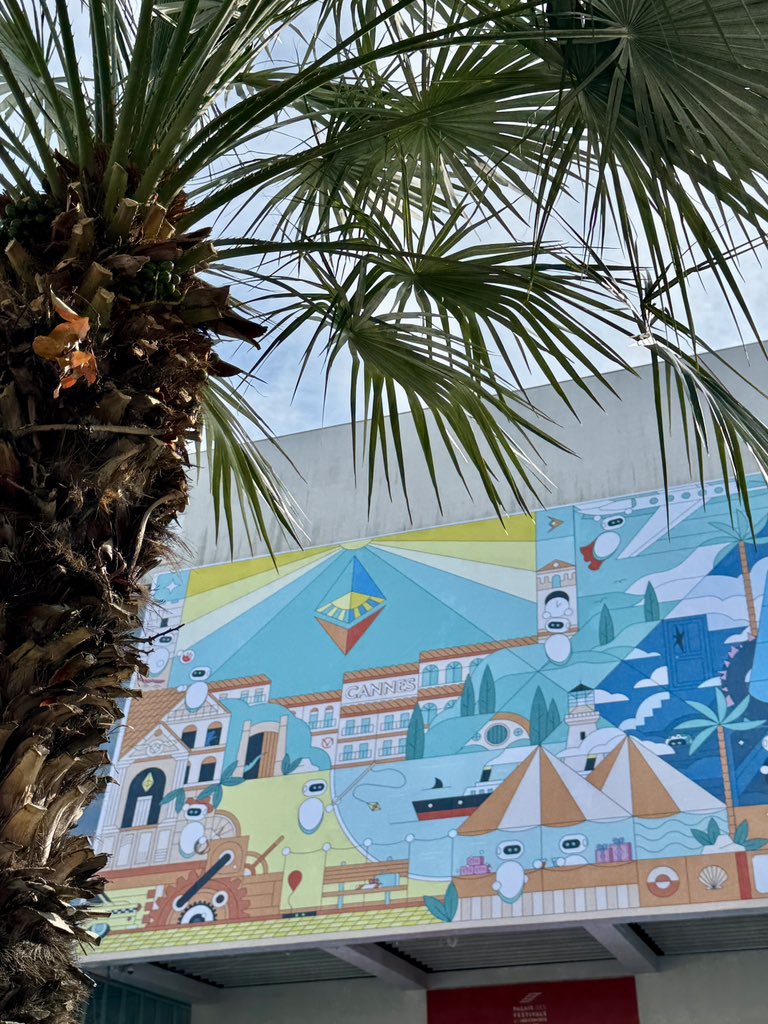
CANNES PLANNES ✨ Alrighttttt let’s run it. As always, I’ll drop my agenda ahead of time so you know where to find me + invite me to things. SIDEBAR// I TOLD you 💁♀️ Luma went from 5 sides to fully fleshed out + more coming in. Make sure to check out the @serotonin_hq eve… Show more
Operator amplification asks are the lowest-cost lever on the cadence. Recruit 5 to 8 Twitter operators in your category to quote-retweet the announcement at T-7 and again at T-3. Pay an estimated $200 to $500 per ask. The 20-favorite operator post and the 98-favorite ETH NYC successor thesis both ran inside this rate card.
Beginner's Workshop: What to Expect at ETHGlobal New Delhi | Pascal Rüger
ETHGlobal
Pascal Ruger's official ETHGlobal beginner workshop for New Delhi walks through what to expect across the hackathon and side-event ecosystem. The 5-lane taxonomy and the activation cadence in this post map directly to the framing here.
Raph Pautard
@PautardR
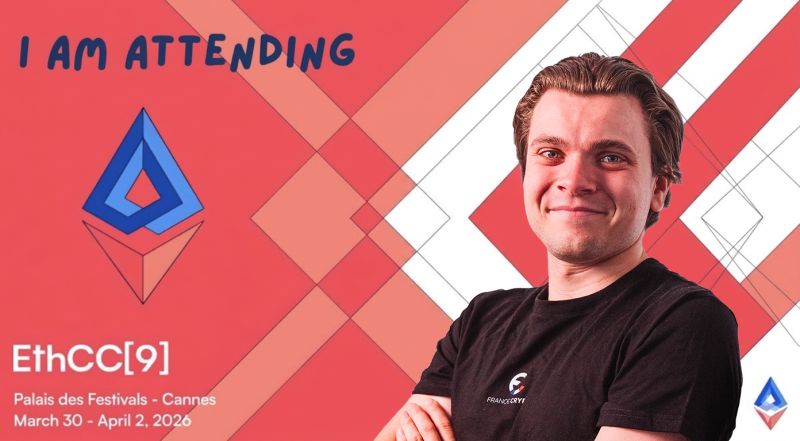
🚨 @EthCC [9] we’re coming 2025 was probably the best crypto event I’ve ever attended. The venue, the main event, the sides, the end-of-June energy… everything just hit. This year, the @FranceCryptos & @hyperviewxyz team will be on-site: shoots, interviews, and new formats we… Show more
At FORKOFF we run the Luma funnel + Twitter cadence inside /services/kol-marketing, and the crypto KOL marketing framework lays out the tier-by-tier amplification model that cadence buys against. The retainer covers the full 3-cadence cycle plus the confirmation DM round. The sandbox version for hosts running it themselves: book the operator amplification slots 14 days in advance and pay through the standard amplification rate card. See the ETH NYC 2026 Activation Playbook for the sponsor-side complement that pairs the Luma funnel with the 3-week sponsor stack.
Day-of execution (run-of-show, AV, security)
Day-of execution runs off the run-of-show, the document that prevents the day-of collapse by assigning every time block a clear owner. The six blocks cover load-in and AV check, doors and check-in, the programmed content or demo, the open networking window, the sponsor or host remarks, and load-out. Security and AV are the two blocks first-time hosts under-staff, and both are the ones that visibly break the room when they fail. The six time blocks:
The 90-second host framing: verbatim template
The opener template: "Thanks for being here. Tonight is [event name] and the room thesis is [single sentence POV]. We have 3 speakers: [names plus 5-word descriptors]. Speakers run 10 minutes each. After that, 90 minutes of networking, food, drinks. Quick ask: introduce yourself to 2 people you have never met. The reason this room exists is the conversations between the speakers, not the speakers themselves. Speaker 1: [name], take it." 90 seconds. Rehearse twice at T-3. The opener sets the room thesis, names the discipline, hands off to the speaker stack without dragging. Every word above the 90-second cap costs the host trust; founders who ramble past 2 minutes lose the early-attendee cohort.
AV checklist: 60-second walkthrough
The AV checklist runs at T-4 hours. 8 items: handheld mic plus lavalier mic both tested, mic levels matched to room, speaker slides confirmed loaded on the venue laptop, slide remote tested and battery confirmed, music playlist queued plus volume calibrated, lighting cues set for opener plus networking plus close, recording rig confirmed live with timestamp, backup mic in the bag. PostHog's product-led event measurement library notes AV failure as the single most logged complaint in post-event surveys; the 60-second checklist eliminates 80 percent of those.
The 5pm sound check is non-negotiable. AV is the single most common day-of failure mode, and a 30-minute sound check at the venue eliminates 80 percent of the AV risk. Security depends on the venue and the city. NYC and London typically require 1 to 2 door staff at an estimated $200 to $400 per head for the night. Cannes and Lisbon mid-market venues bundle security into the venue fee.
The 90-second opener is the highest-leverage minute of the night. The room is still settling, the early attendees are forming their first impression of what the event is about, and the framing they hear in the opener compounds for the rest of the night. Write the opener at T-7 and rehearse it twice before T-0.
However the people were 1,000% on point. Amazing convos and actual ability to [meet] people to partner with and look at working together across projects, protocols, and more.
That field note captures the asymmetry the whole playbook is built around. Logistics wobble on almost every event, the wifi drops and the stages run late, and the room still converts when the guest list was curated against a thesis. The day-of checklists cut the logistics tax; the lane discipline and the curation are what make the room worth walking into in the first place.

Post-event content cadence (the 30-day follow-through)
The event is the room, but the post-event cadence is the conversion, and without it the room ghosts inside week 2 and the pipeline math collapses. The 30-day follow-through runs a recap post within 48 hours, per-attendee follow-up DMs across the first week, a content asset from the recorded session by week 2, and a second-touch sequence into the back half of the month. The conference week opens the relationship, and the cadence is what closes it. The follow-through cadence:
T+1 same-day thank-you template
Post the recap thread on X within 24 hours. Verbatim opener: "Last night was [event name]. 80 operators, 3 speakers, 1 thesis: [POV]. Thanks to [sponsor 1] and [sponsor 2] for backing the room. Thread of takeaways below." Then 4 to 6 follow-up tweets with photo plus speaker quote plus 1 takeaway per tweet. Tag the speakers and the sponsors. The T+1 thread surfaces attendees who did not get to all 3 speakers and prompts the first wave of follow-up DMs. The thread also creates a public record of the room that future cycle RSVPs reference. Operator hosts who skip the T+1 thread lose 30 to 40 percent of the second-touch ask conversion at T+7.
T+3 deep-link follow-up
Personal DM to the top 10 high-fidelity conversations. Verbatim: "Great to meet you at [event name]. You mentioned [specific topic from conversation]. I have been thinking about [follow-on observation]. Want to take 20 minutes next week to keep the thread going?" The deep-link is the specific topic. Generic "great to meet you" DMs convert at 5 to 10 percent. Specific-topic DMs convert at 35 to 50 percent. The cost is the 20 minutes of post-event recap notes the founder takes immediately after the event closes.
T+7 cohort introduction
Ship the long-form recap post on the blog at T+7. 800 to 1,200 words plus 4 to 6 photos plus the speaker quotes. Title format: "[Event name]: 6 takeaways from the [POV] room." The post AEO-anchors the event for future cycle SERPs and gives the second-touch DMs a clean artifact to share. Cross-introduce attendees who would benefit from each other. Pattern: "Hi [A] and [B]. You both mentioned [shared topic] last week. Worth a 15-minute call." The host as connector is the highest-leverage second-touch position in the cohort.

T+30 second-touch ask
The T+30 round is where pipeline compounds. DM to all attendees with the next event invite plus a specific ask. Verbatim: "Hosting the next [format] at [next conference week]. Capacity 80. Want a spot? Also, [specific ask tied to their work]." The specific ask is the conversion lever: a partner intro, a quote for a thesis post, a beta-user slot, a feedback round on a launch. Partiful's host guides document the same T+30 reactivation cadence across the consumer-event cohort; the ratio holds for crypto B2B at 25 to 40 percent reactivation.
The 30-day cadence is the compounding asset. Run it 4 cycles in a row and the second-touch attendee list compounds to 200 to 400 named ICP-match contacts, all of whom have already been in your room once. That list becomes the cold-start advantage for the next side event you host. The cohort that does not run the cadence rebuilds the list from zero every cycle and pays the same Luma-amplification cost every time. At FORKOFF we run the /services/kol-marketing cadence as the default retainer attachment to any hosted side event. The panel and founder-Q&A footage from the room feeds the FORKOFF clipping agency lane for the 60-day compounding clip layer. See the agent-native GTM founder stack post for the Twitter amplification stack we run.

8 common crypto side event failure modes
The eight common crypto side event failure modes are all preventable with the 30-day playbook: locking the venue too late and paying the basement tax, opening Luma inside T-10, over-speccing catering for the lane, diluting the room with the wrong sponsor mix, running the speaker stack 90 minutes long, shipping no day-of run-of-show so AV breaks, running no post-event cadence so the room ghosts by week 2, and hosting three events in one week into team burnout. Each one hits a first-time host at least once and a sloppy repeat host every cycle. The eight failure modes:
Failure 1: Venue locked too late (the basement venue tax)
The cohort-validated pattern: hosts who book inside T-14 walk into a 2-venue shortlist, both of which are basements with one bathroom and a 60-cap occupancy ceiling. The FORKOFF Ledger across Token2049 Dubai 2026 logged 4 hosts in this exact position, each of whom paid 30 to 50 percent above the rate card and still landed a degraded room. The fix is binary: lock the venue before any other line item. Venue is the constraint.
Failure 2: Luma opened inside T-10
RSVP volume compounds against time on listing. A T-21 open produces 70 to 120 RSVPs against an 80-attendee target. A T-10 open produces 30 to 45 RSVPs against the same target. The room thins, the sponsor pitch weakens, and the post-event cadence has nothing to compound off. ETHCC Cannes 2024 logged 7 retainer hosts who opened inside T-10; each ran 40 to 60 percent below capacity at the door.
Failure 3: Catering over-spec for the lane
The most expensive line on the budget. Hosts who spec a 3-course sit-down dinner for an 80-attendee Builder Night burn an estimated $4,000 to $7,000 against the wrong format and still produce a worse room than $35-per-head hors d'oeuvres in the same venue. Catering tier follows the lane, not the venue. The VIP Dinner format earns that plate at an estimated $120; the Builder Night format does not.
Failure 4: Sponsor mix diluted the room
Every sponsor above 3 drops attendee retention 8 to 12 percent across the second half of the event per the FORKOFF Ledger. The audit-ledger flag is the 60-percent ICP overlap floor. A sponsor whose buyer cohort overlaps the invited list at 35 percent poisons the room faster than no sponsor. ETHGlobal Lisbon 2026 logged 2 retainer hosts who breached the overlap floor; both ran 18 to 24 percentage points below cohort attendance retention.
Failure 5: Speaker stack ran 90 minutes long
The speaker stack budget is 30 to 40 minutes total. Three speakers at 10 minutes apiece plus 5 minutes of buffer. Hosts who let speakers run 20 to 25 minutes apiece push the stack past 75 minutes and the room thins by minute 50. The discipline is hard cuts at the 10-minute mark; the host stops the speaker mid-sentence if needed. ETHConf NYC 2024 logged 3 hosts who failed this gate; each lost 25 to 40 percent of the room before networking opened.
Devcon 5 is a logistical and environmental disaster. Here's Why.
EDIT: sorry if the title is a bit sensationalist. Please view these as constructive suggestions. I want to thank everyone for their hard work to put the conference on, and hopefully we can improve a few things for next time. Before I start. I would like to say Devcon 4… Show more
Failure 6: No day-of run-of-show (AV broke)
AV failure is the single most-logged complaint in post-event surveys. The 5pm sound check eliminates 80 percent of the risk; hosts who skip it and walk into the room at 6
for a 7pm start ship a degraded event 60 to 70 percent of the time. The fix is the 8-item AV checklist at T-4 hours plus a confirmed sound check at T-2 hours plus a backup mic in the bag.
Failure 7: No post-event cadence (room ghosted by week 2)
The 30-day cadence is the conversion mechanism. Hosts who skip T+1, T+3, T+7, and T+30 retain 20 to 30 percent of the room into a second meeting. Hosts who run all four retain 55 to 75 percent. The math: a 60-attendee curated Builder Night at 65 percent retention compounds to 39 named second meetings; the same room at 25 percent retention compounds to 15. The cadence is 4 to 6 founder-hours across the 30 days. The ratio is the highest-leverage time on the entire playbook.
Failure 8: Hosted 3 events in one week (team burnout)
Burn the team out by hosting 3 events in one week and the post-event cadence collapses. The compounding return on hosting comes from running the same format at the same city anchor 3 cycles in a row, not from running 3 different formats in 7 days. Conservative hosts ship more pipeline than aggressive ones. ETHCC Cannes 2026 logged 2 retainer hosts who shipped 3 events in 5 days; both produced a strong T-0 but logged zero T+30 follow-through across the 60-day window after the event. One curated Builder Night plus one VIP Dinner across the week is the operator ceiling.
Pete | Beware of Scammers
@astroboysoup
Token2049 is hosting over 1000 side events around their event. Some highlights: - AFTER 2049 (Oct 9, 2026) closing party - TOKEN2049 Origins (Oct 5–6, 2026) 36-hour hackathon - Nexus Startup Competition (Oct 7–8, 2026) - Cardano Summit 2026 (Oct 5–6, 2026) There is a dedicated… Show more

Two ways to use this playbook
The operator path. Run the 30-day timeline yourself. Lock the venue, open the Luma, ship the cadences, run the day-of, ship the post-event cadence. Budget 80 to 120 founder-hours plus 40 to 80 ops-hours across the 30 days. Plan to run it twice before the format gets sharp; the second cycle drops CPQSM by 20 to 30 percent because the attendee list compounds.
The FORKOFF path. Hand the stack to a retainer. We run the venue lock, Luma funnel, speaker confirmations, sponsor mix, run-of-show, day-of execution, post-event cadence, and the 30-day follow-through as a single owned scope. The retainer pricing tier is gated; the sandbox 80-attendee Builder Night production runs at the cost bands disclosed above. See /services/events for the canonical scope and /services/kol-marketing for the GTM amplification layer that pairs with the events stack.
For the live ETH NYC 2026 application of this playbook, see yesterday's spoke: the ETH NYC 2026 Side Events Directory maps 32+ confirmed satellites across the same 5-lane taxonomy plus a T-21 host appendix that points back to this canonical hub. For the matching sponsor-side framework, see the ETH NYC 2026 Activation Playbook. For the cost-band proof on Token2049 cohort data, see the Web3 marketing Dubai 2026 post. For the unit-economics frame on agency event budgets, see the AI agency pricing unit economics 2026 post. For a media-partner preview of a builder community that runs exactly this kind of side room during a flagship AI week, see The Algorithm Alliance and its next Singapore meetup. The 30-day playbook above is what we use at FORKOFF every coastal cycle. Bookmark this page, refresh against it 30 days out from your next conference, and ship the side event that compounds the next room you host.