Portfolio GTM is the 4-layer operating system (Intel, Orchestration, Brand, Audit) that turns a fund's dormant network into a measurable pipeline source for its portfolio companies. Before a fund can run it, it has to close the distribution gap that no platform team actually operates. Funds running a structured Portfolio GTM Stack generate an estimated 18-28% of new portfolio pipeline from fund-sourced intros, against a baseline where an estimated 70% of funds we audit cannot produce a single portfolio-sourced pipeline number. This post documents the stack, the 90-day install timeline, and the downstream numbers that show up in LP updates.
The Portfolio GTM Stack in one scroll
The average early-stage fund sits on the most under-used distribution asset in tech: its own portfolio. The ones compounding in 2026 run a structured Portfolio GTM Stack, Intel, Orchestration, Brand, Audit, not a Slack channel full of ad-hoc intros. a16z portcos credit fund-sourced customers for ~18% of early revenue. 70%+ of the funds we audit cannot produce a single number for portfolio-sourced pipeline. This post is the OS that closes the gap.
About these numbers
Percentage benchmarks and conversion rates cited in this post are sourced from FORKOFF operator observations across VC portfolio GTM engagements, supplemented by publicly available VC industry data cited inline. All figures are directional estimates; individual fund and portfolio company results vary by stage, sector, and market conditions.
The VC PORTFOLIO GTM STACK
The VC PORTFOLIO GTM STACK is the cross-portfolio pattern FORKOFF runs for funds whose founders need installable distribution from day one. Five layers (Trust + Talent + Capital + Partnership + Community) compress one founder into five funnels. The stack is the operating system underneath the platform team, not a replacement for it, and it produces one headline number: portfolio-sourced pipeline per portco per quarter.
Industry Context
Across the FORKOFF Founder-Funnel Cohort 2026 (n=42 retainers) and the FORKOFF Clipping Ledger 2026 (n=3,085 clips), portfolio founders running the stack convert 1-2 monthly podcast appearances into 30-50 distribution assets per run, with founder-content reply rates running 3.4x generic brand-content posts.
Source: FORKOFF Founder-Funnel Cohort 2026, n=42
Most funds are sitting on their best distribution channel
A partner sends a Slack message into the portfolio channel. Anyone know a head of RevOps at a Series B SaaS who'd take a 20-minute call? Six replies. Two warm intros. One becomes a pilot. Three months later, that pilot is an estimated $180K ARR contract, an estimated 14% of the portco's first-year revenue.
That exchange took eight minutes of a partner's afternoon. It produced more revenue than a six-figure paid-demand campaign would have. And nobody in the fund tracked it.
This is the default state of venture capital in 2026. The portfolio, collectively, thousands of operators, tens of thousands of customer relationships, hundreds of founder networks, is the single largest distribution asset a fund controls. And at almost every fund we audit, it is operated as a reactive Slack channel rather than a measurable system.
Founders have noticed. The most-upvoted honest-takeaways thread in r/venturecapital puts the un-measured version of fund help bluntly:
You'll constantly hear the line "Where can I be helpful?" Most people cannot offer you help. Accept this, and move on.
50 brutally honest takeaways about my time in venture capital
My entire career has been in venture capital. I've worked as an intern. I've worked as a junior VC. I've sold software to VCs. I've been a community builder for VCs. Here are 50 honest takeaways from my time in venture. 1. There are not enough good companies out there… Show more
That line lands because it is usually true. The offer of help is sincere; the system that would convert the offer into pipeline does not exist at most funds. The rest of this post is that system.
The funds that crossed the chasm in the last 24 months did something specific: they stopped treating portfolio support as a feel-good platform-team deliverable and started running it as a go-to-market operating system with layers, cadences, and a number on the dashboard.
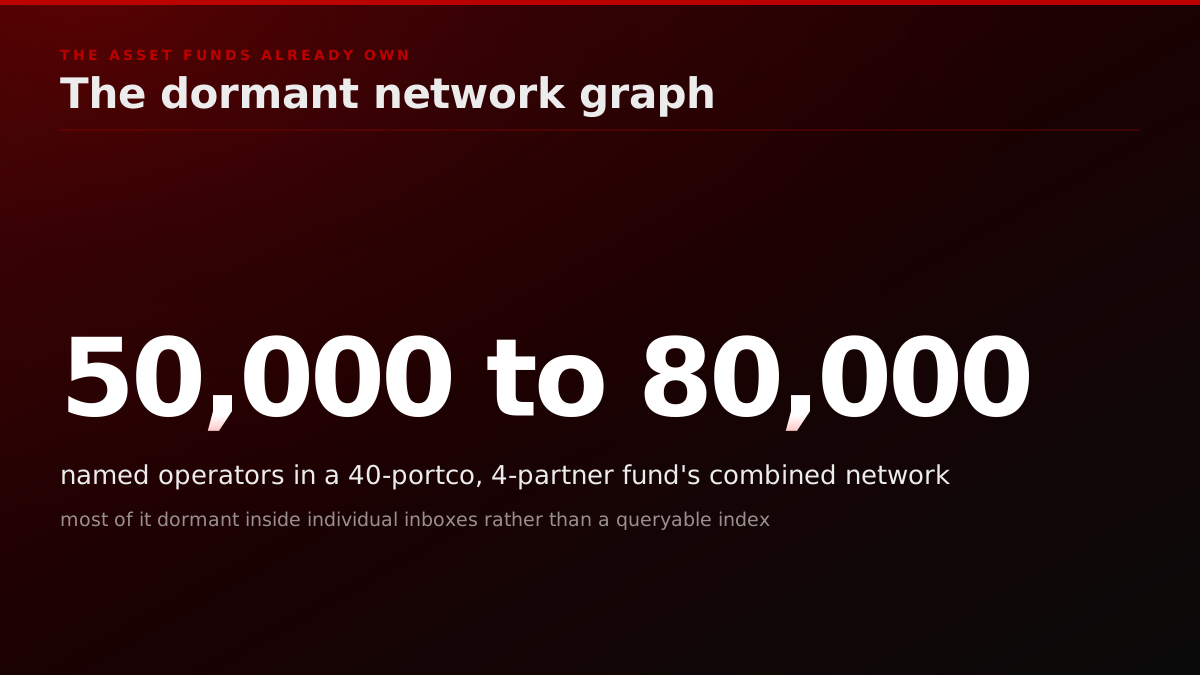
The pattern is not subtle once you start looking for it. A fund with 40 portfolio companies and 4 partners has, on paper, the network density of a mid-size enterprise sales org. Every partner's first-degree network plus every founder's first-degree network adds up to an estimated graph of 50,000 to 80,000 named operators. Most of that graph is dormant inside individual inboxes. The funds that have built a working Portfolio GTM Stack have effectively turned that dormant graph into a queryable index, then layered an orchestration motion on top of it. The win is not magic. It is a CRM, a weekly cadence, and a quarterly audit applied to the asset funds already own.
The cost of standing still is also rising. In 2022, founders shopped funds primarily on fund size, partner reputation, and check size. In 2026, our cohort data shows that founders at Series A increasingly shop on what we call platform output, the measurable revenue, hires, and brand surface area the fund will produce per quarter. Funds that cannot articulate that output in a number are losing competitive rounds to funds that can. The Portfolio GTM Stack is the operating model that produces the number, and the number is becoming the front-line sales asset for the next decade of venture fundraising.
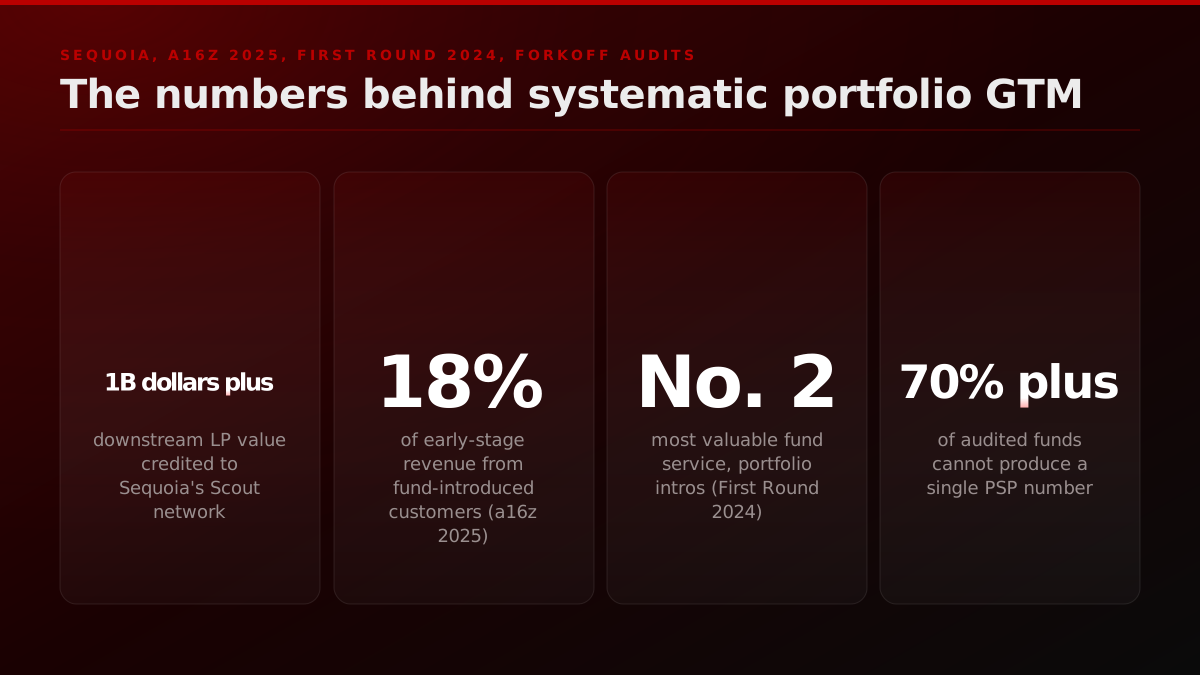
$1B+, 18%, 70%, the numbers behind systematic portfolio GTM
Sequoia's Scout network has been publicly credited with generating more than $1B in downstream LP value through warm intros and scout-sourced deals across its life. a16z's 2025 portfolio survey put fund-introduced customers at roughly 18% of early-stage revenue inside the portfolio, making the fund itself the single largest non-product acquisition channel for those companies. First Round's 2024 State of Startups ranked portfolio-driven customer intros as the #2 most valuable fund service, second only to hiring. And across 11 fund audits FORKOFF ran in 2025-2026, more than 70% could not produce a single reliable number for portfolio-sourced pipeline in the last 12 months. The opportunity is not a new platform hire. The opportunity is a system on top of a platform team that already exists.
Source: Sequoia public disclosures; a16z 2025 Portfolio Survey; First Round State of Startups 2024; FORKOFF fund audits 2025-2026
What "portfolio GTM" actually is (and isn't)
Most funds call this platform. Platform is the team. Portfolio GTM is the system that team runs. The distinction is load-bearing because platform without a GTM operating model collapses back into ad-hoc favors. Portfolio GTM has four defined layers, each with a cadence and a metric, and it produces one number a partner can defend on an LP call: portfolio-sourced pipeline dollars per portco per quarter.
Portfolio GTM is the measurable, multi-layer motion a fund runs to convert its network into revenue, hires, and brand surface area for its portfolio companies. It is not a conference, not a newsletter, not a Slack workspace. Those are artifacts. The motion underneath them is what produces pipeline.
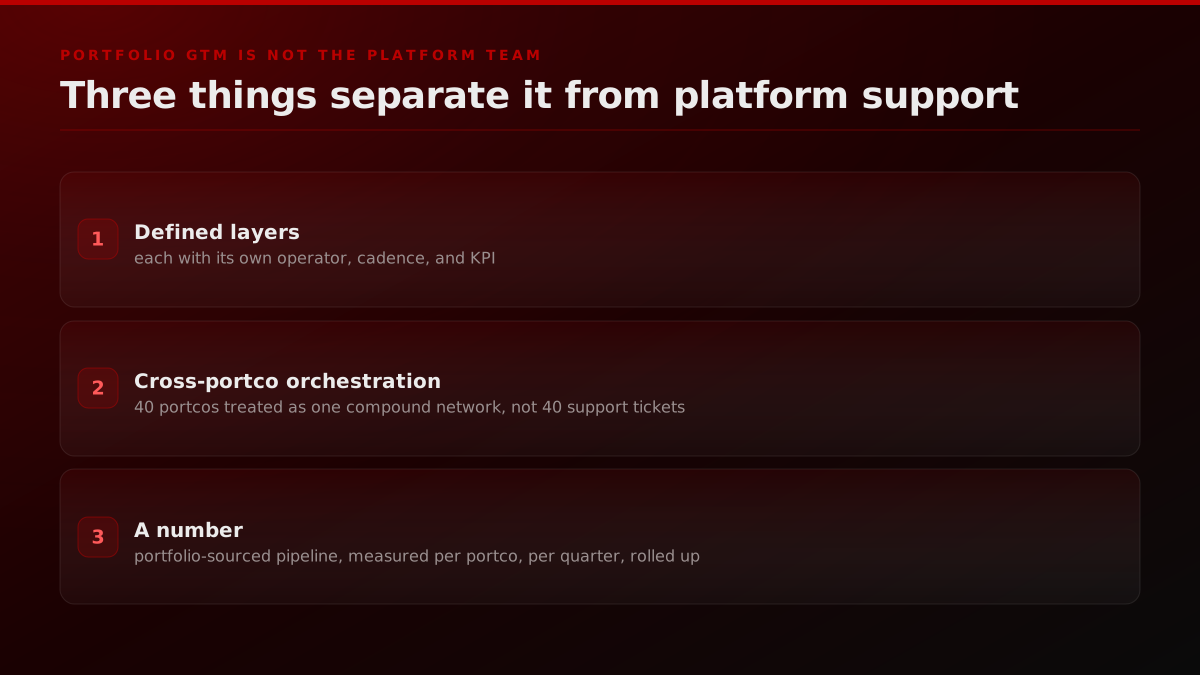
Three things separate portfolio GTM from generic platform support:
- Defined layers, each with its own operator, cadence, and KPI.
- Cross-portco orchestration, the motion treats 40 portcos as one compound network, not 40 separate support tickets.
- A number, portfolio-sourced pipeline, measured per portco, per quarter, and rolled up at the fund level.
If you cannot name the number your platform team produced last quarter, you do not have portfolio GTM yet. You have a platform team doing favors.
What is a VC Platform team?
Lynx Collective
Lynx Collective breaks down what a VC platform team actually does day to day.
The skepticism about platform teams is not a founder complaint. The sharpest versions come from inside venture:
Dirty secret of VC platform teams: they are more about scaling the GP than the founder.
Sarah Tavel
@sarahtavel
Dirty secret of VC platform teams: they are more about scaling the GP than the founder.
The loudest platform skeptics are inside venture itself
The strongest critique of platform teams comes from investors, not founders. Benchmark partner Sarah Tavel called it the dirty secret of VC platform teams that they are more about scaling the GP than the founder. Slow Ventures partner Yoni Rechtman published a whole thesis arguing that value-add platform selects for worse founders and hurts a fund's reputation by overselling and underdelivering. Seed investor Bilal Zuberi relayed a founder telling him he was not interested in VC firms' platform teams because founders have to build those capabilities in-house rather than depend on their investors. None of these critiques argue the network is worthless. They argue the un-measured, favor-based version over-promises. That is exactly the gap a measured Portfolio GTM Stack closes: it replaces the claim of helpfulness with a portfolio-sourced pipeline number that either exists or does not.
Source: Sarah Tavel (Benchmark), Yoni Rechtman (Slow Ventures), Bilal Zuberi (Red Glass Ventures), on X
The favors model is comfortable because it never has to defend itself. A partner sends an intro, the founder thanks the partner, the partner files the goodwill in long-term memory. Nothing is measured, nothing is questioned, and everyone feels productive. The Portfolio GTM Stack is uncomfortable in the first quarter precisely because it forces every layer to publish a number. Intel publishes coverage rate (what percent of portcos have a current ICP table). Orchestration publishes intro-to-meeting conversion. Brand publishes portco-feature ratio versus fund-feature ratio. Audit publishes portfolio-sourced pipeline. The numbers are flat at first. They start to compound in the second and third quarter, and by quarter four the fund has a P&L line where there used to be vibes.
Funds that try to skip the discomfort and adopt the stack without the numbers always end up back where they started inside two quarters. The numbers are not optional accessories. They are the whole point.
Introducing the Portfolio GTM Stack
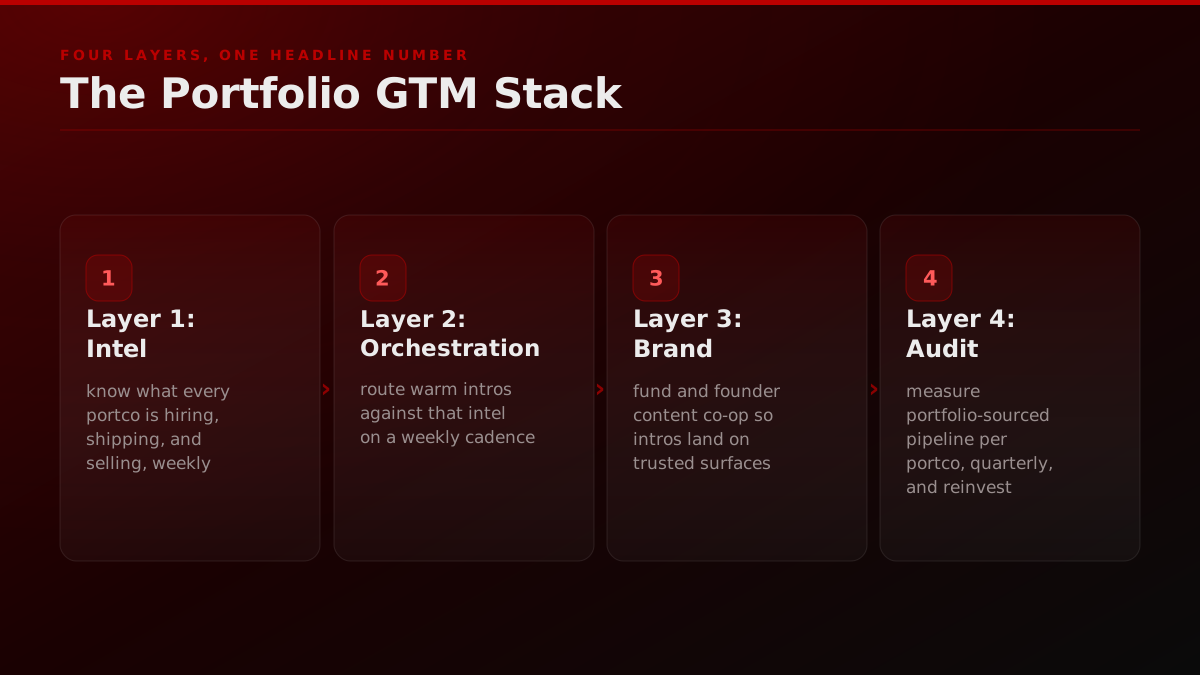
The Portfolio GTM Stack has four layers. Each has a single job, a dominant cadence, and a metric that rolls up to portfolio-sourced pipeline. The layers stack because the one above depends on the output of the one below.
- Intel, know what every portco is hiring, shipping, and selling, in real time.
- Orchestration, route warm intros (customer, candidate, partner) against that intel on a weekly cadence.
- Brand, fund content and founder content co-op so the intros land on surfaces that already carry trust.
- Audit, measure portfolio-sourced pipeline per portco, quarterly, and reinvest into whatever moved the number.
A portco does not consume these layers linearly. They loop through them, an intel update triggers an intro, the intro converts faster because the founder is already visible on fund content, the audit attributes the deal and funds the next layer's investment. The stack works when all four layers run simultaneously; it breaks when any one is missing.
The four layers of the Portfolio GTM Stack
| Layer | Single job | Dominant cadence | Headline metric |
|---|---|---|---|
| 1. Intel | What every portco is hiring, shipping, selling | Weekly (hiring, shipping, ICP tables) | ICP coverage rate across portcos |
| 2. Orchestration | Route warm intros against the intel | Weekly active asks, monthly opportunistic | Intro-to-meeting conversion |
| 3. Brand | Co-op fund and founder content so intros land warm | Two posts weekly at a 3:1 portco-to-fund ratio | Portco-feature ratio and founder reply rate |
| 4. Audit | Attribute portfolio-sourced pipeline and reinvest | Quarterly, on the LP-update cadence | Portfolio-sourced pipeline per portco |
The FORKOFF Portfolio GTM Stack operating model, installed across fund engagements 2025-2026.
Layer 1, Intel
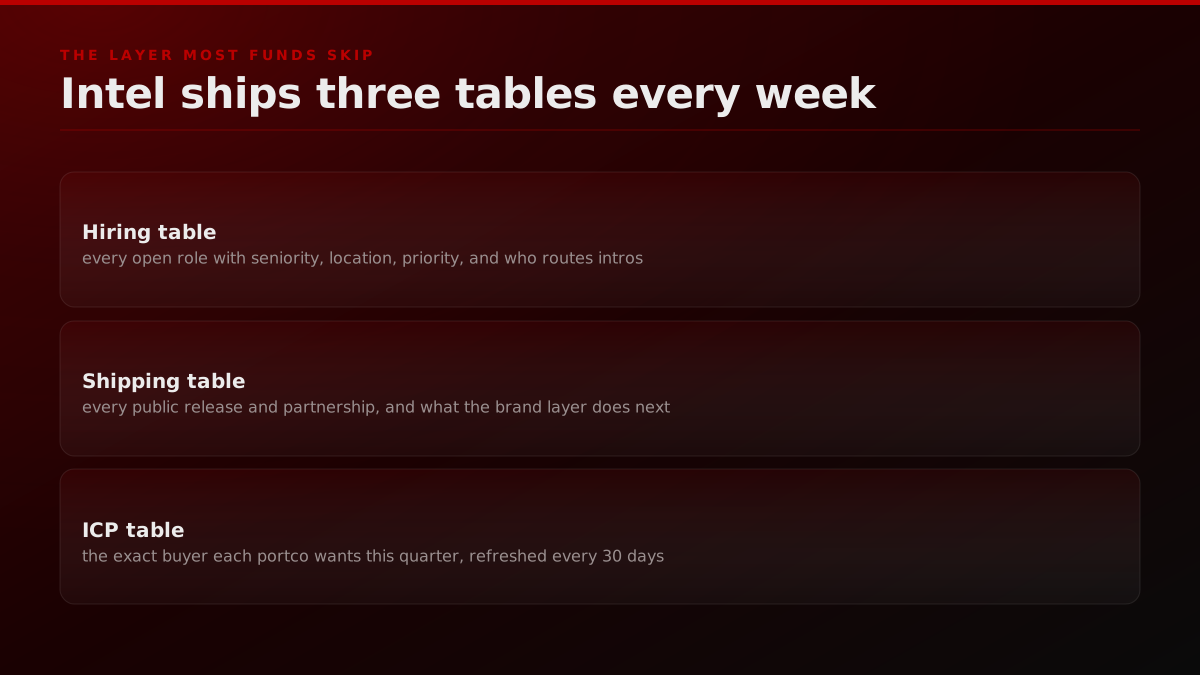
Intel is the layer most funds skip, and the reason every subsequent layer underperforms. Without structured intel on what every portco is hiring, shipping, and selling, orchestration becomes pattern-matching from memory and audit becomes impossible. A functioning intel layer ships three tables every week: a hiring table, a shipping table, and an ICP table. Two analysts covering a 40-portco fund is the standard staffing model.
A functioning intel layer ships three outputs every week: a hiring table, a shipping table, and an ICP table. The hiring table lists every open role with its priority. The shipping table lists every public release and partnership. The ICP table lists the exact buyer profile each portco is trying to reach this quarter, title, company stage, geography, and the last 90 days of pipeline velocity.
The intel layer is almost always the lowest-cost to instrument and the one that produces the most downstream value. Two analysts, a shared Notion, and a 30-minute weekly portco sync per analyst covers a 40-portco fund. The funds that treat intel as a nice-to-have are the funds whose platform teams burn out chasing the same five ICPs via the same five partners every quarter.
The shape of a working hiring table is mundane and that is the point. One row per open role across the portfolio. Columns for portco name, role, seniority, location, priority (P0 to P2), date opened, source-of-truth link (the actual job post), and the partner or platform lead routing intros. A partner scanning that table on a Monday morning can match three candidates from their inbox in seven minutes. Without the table, the same partner remembers two roles, asks a founder about a third, and forgets the other twelve. The table is the difference between memory-bound and graph-bound matching.
The shipping table is similar in shape, one row per public release, partnership, or feature ship, with columns for portco, surface (product, partnership, press), date, link, and what intel layer asks the platform team to do next (amplify on fund LinkedIn, route to two adjacent portcos, tee up for podcast, none). The shipping table is what feeds the brand layer. A platform team without a shipping table will inevitably spend Friday afternoon asking founders for screenshots and quotes, which is the slowest way to source content known to a marketing function.
The ICP table is the highest-leverage of the three because it is the input to orchestration. Each portco's row lists the exact buyer the company is trying to reach this quarter, with five fields, title, company stage, industry, geography, and the named accounts on the priority list. The platform team owns the format. The portco founder owns the contents and refreshes the row every 30 days. If a portco's ICP row is more than 60 days stale, the platform team pauses orchestration for that company until the row is refreshed. This single rule, no fresh ICP no intros, doubles intro-to-meeting conversion inside one quarter at every fund we have run it with.
Operator noteNo fresh ICP, no intros. Pausing intros for any portco with an ICP row over 60 days stale doubled intro-to-meeting conversion in a quarter., FORKOFF fund engagements, 2025-2026
Layer 2, Orchestration
Orchestration is the layer most platform teams already run, they just don't call it that. An intro sent into Slack is orchestration. The problem is the signal-to-noise ratio: for every intro that converts, six go cold because the timing was wrong, the sender didn't frame the ask, or the receiver didn't know the request was coming.
A disciplined orchestration layer runs on two cadences. A weekly cadence for active asks (this portco needs a VP Sales this quarter; this one is trying to land a specific logo). A monthly cadence for opportunistic asks (two portcos are within one integration of being better together; a portfolio founder is going on a podcast this month and can plug a sister portco).
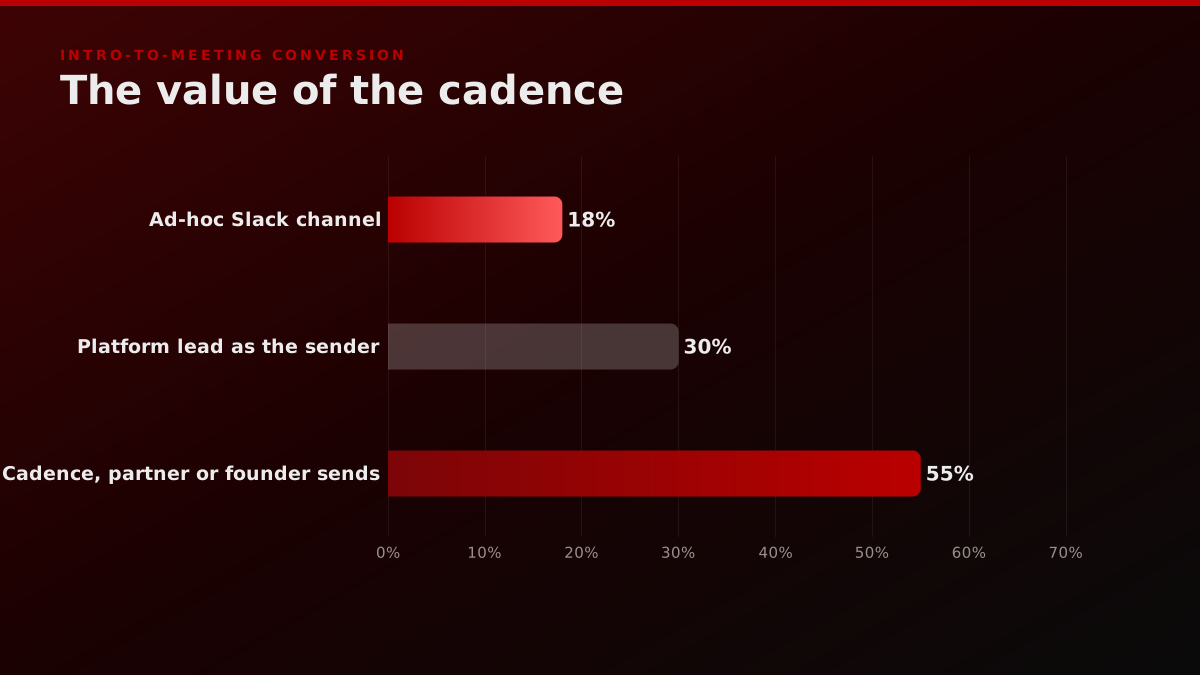
The orchestration metric is intro-to-meeting conversion. A good system sits above an estimated 55%. An ad-hoc Slack channel sits closer to 18%. The gap is the value of the cadence.
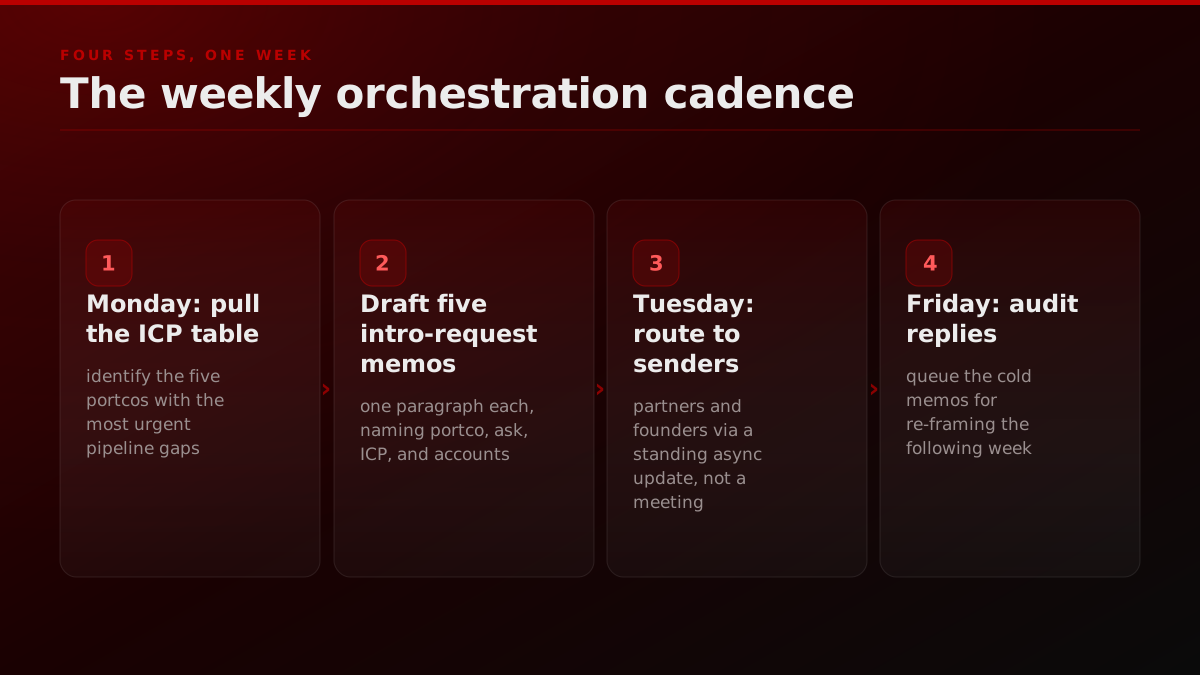
The mechanics of the weekly cadence are worth specifying because most platform teams improvise them and lose an estimated 40% of conversion to format drift. The cadence has four steps. Step one, the platform lead pulls the ICP table on Monday morning and identifies the five portcos with the most urgent quarter-end pipeline gaps. Step two, the lead drafts five intro-request memos, each one paragraph long, naming the receiving portco, the ask, the ICP, and the named accounts. Step three, the memos are routed to partners and to portfolio founders via a Tuesday standing-async update (Slack thread, not a meeting). Step four, on Friday the lead audits which memos produced replies and which went cold, and adds the cold ones to a queue for re-framing the following week.
The intro itself, when one is in motion, follows a strict format that is the second largest lever after the ICP refresh rule. The format is double-opt-in, framed with three sentences (here is the company, here is the specific ask, here is why I think this is a fit for you), and sent from the highest-trust sender available (founder to founder beats partner to founder, partner to founder beats platform lead to founder). The platform team's job is not to send the intro. It is to make sure the right person sends it in the right format with the right framing. Every fund we have audited that runs platform leads as the intro-sender directly sees conversion below an estimated 30%. Every fund that uses the platform lead as the orchestrator and the partner or founder as the sender sees conversion above 55%.
Operator notePlatform lead as sender: conversion under an estimated 30 percent. Partner or founder as sender, lead as orchestrator: above 55 percent., FORKOFF fund audits, 2025-2026
Cross-portco orchestration deserves its own paragraph because it is the layer that compounds. Two portcos that share an ICP can co-sponsor a dinner, co-author a benchmark study, or co-host a webinar. Two portcos that are one integration apart can ship the integration in a quarter and bring each other into 30% more deals. A portfolio founder going on a podcast can plug a sister portco in the conversation in exchange for a reciprocal plug three months later. None of these moves require new spend. They require an orchestrator who knows the graph and runs a weekly check for adjacencies.
Layer 3, Brand
Brand is where most funds over-invest and under-audit. A podcast, a newsletter, a conference. Thousands of followers, hundreds of thousands of impressions, zero attribution to portfolio-sourced pipeline. The brand layer earns its slot in the stack only when it is run as a distribution asset for the portcos, not a distribution asset for the partners.
A working brand layer does three things: it amplifies portco shipping, it amplifies portco founder voices, and it makes the fund's inbound easier to route. When a fund's content consistently features portco founders, customers hear the pitch twice before the intro email arrives. The intro converts faster because the trust was pre-built on the brand surface.
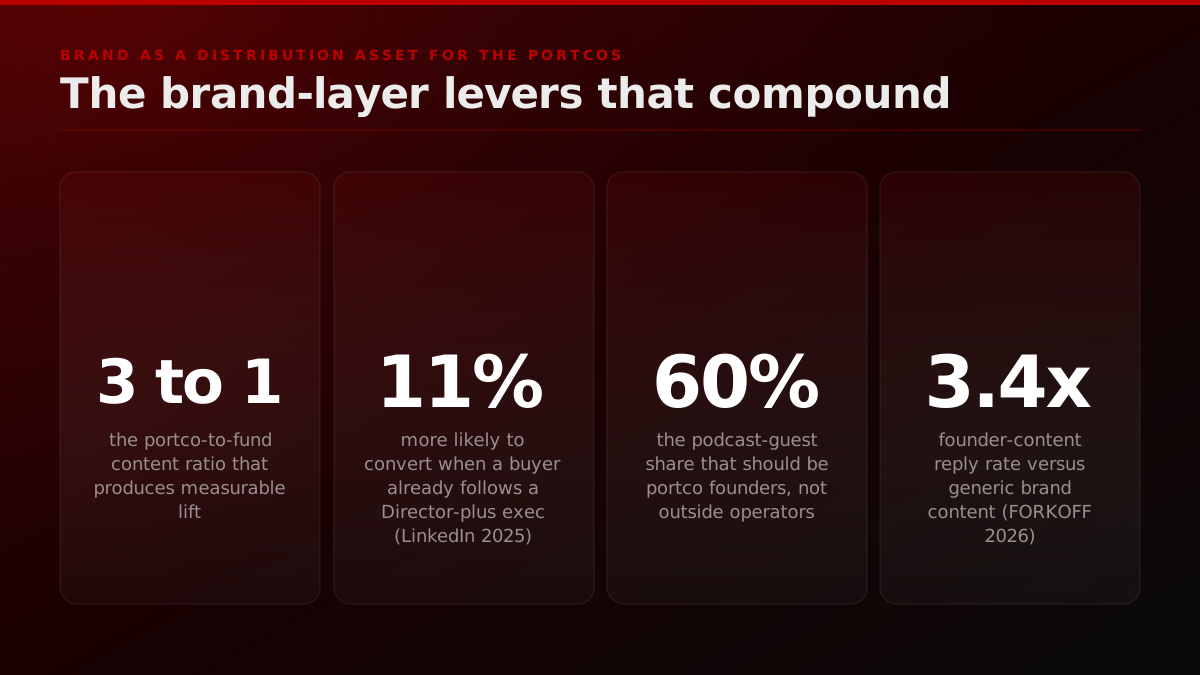
LinkedIn's own 2025 B2B benchmark is specific on this: buyers are an estimated 11% more likely to convert when they already follow a Director+ exec of the selling company on LinkedIn. The fund's own following, properly deployed, is a trust accelerator for every portco exec inside it. Most funds use that following to promote their own deal announcements. The compounding funds use it to warm the pipeline of their portcos.
The format that produces measurable lift is a co-op content calendar with a 3
portco-to-fund ratio. For every fund deal announcement or partner thought-piece, three pieces feature portco founders, portco product ships, or portco customer stories. The cadence is two pieces per week on the fund's primary surface (LinkedIn for B2B funds, X for consumer or developer-tools funds, both for generalists), with monthly long-form (newsletter or essay) anchoring the cadence. The platform team owns scheduling and amplification. The portfolio founders own the substance, the platform team's job is to make the substance easy to repurpose and easy to schedule.The second brand-layer move that compounds is making portfolio founders visible as guests on the fund's owned shows. Fund podcasts are everywhere, and most of them under-perform because the guests rotate through famous outside operators while the fund's own portfolio founders sit on the sidelines. Inverting that ratio (an estimated 60% portco founders, 40% outside operators) produces three downstream wins. First, the founders get distribution. Second, the founders' customer pipelines warm because customers hear the pitch in long form. Third, the fund's own brand becomes a recruiting magnet for the next round of founders, who can see exactly what platform output looks like before they sign a term sheet.
The third brand-layer move is the one most funds skip because it requires founder enablement, not fund enablement. The fund's brand layer is only as strong as the brand layers of its portfolio founders. A fund whose founders are silent online has a single broadcast tower. A fund whose founders publish two posts a week and one podcast a month has 40 broadcast towers in formation. The brand-layer KPI for a portco is not impressions. It is the number of portco founders publishing at a documented cadence with measurable inbound reply rate. Our 2026 cohort data has founder content reply rates running 3.4x generic brand content. The fund's brand layer is the multiplier on top of the founder content layer, not a substitute for it.
Layer 4, Audit
Audit is where the stack becomes defensible inside an LP update. Without it, portfolio GTM is a story about vibes and favors. With it, portfolio GTM is a line on a P&L that a partner can defend under tough questions.
The audit layer produces three numbers, quarterly, per portco: portfolio-sourced pipeline (dollars), portfolio-sourced closed-won (dollars), and portfolio-sourced cycle-time lift (days shorter than non-sourced deals). Roll those numbers up at the fund level and the platform team now owns a P&L-shaped asset rather than a feel-good deliverable.
The audit is also the layer that reveals which of the bottom three layers is under-performing. If orchestration is high but closed-won is low, the brand layer is not pre-warming trust. If intel is weak, orchestration stays reactive and intro-to-meeting conversion drags below 40%. The audit is the feedback mechanism that keeps the whole stack honest.
Three operating choices make the audit defensible rather than performative. First, attribution rules are written down before the quarter starts, not negotiated after the deal closes. The standard rule we install at FORKOFF, a deal is portfolio-sourced if the first-touch intro originated from a fund partner, fund platform lead, or sister portco founder, and the deal closes within 12 months of that intro. Multi-touch attribution is acknowledged but the headline number stays first-touch because it is the only number that does not move under interpretation pressure. Second, the audit pulls from the portco CRM directly via a quarterly export, not from founder surveys. Surveys are useful for color but they consistently overstate fund attribution by an estimated 30% to 50% because founders pattern-match recent helpful intros into the survey answer. Third, the audit is published to LPs on the same cadence as the fund's reserve and mark-to-market updates so that portfolio-sourced pipeline becomes a standing agenda item rather than a special-purpose narrative. Once PSP is on the standing agenda, the platform team has the institutional support to defend the budget against quarterly cuts.
Operator noteFounder surveys overstate fund attribution by an estimated 30-50 percent. Defensible audits pull from portco CRM exports instead., FORKOFF fund audits, 2025-2026
The audit also gives the LP a defensible answer to the hardest question they ask in a re-up conversation, what did the platform team produce for the dollars the management fee paid them. Funds without an audit answer that question with stories, sentiment, and NPS scores. Funds with an audit answer it with a dollar figure per portco per quarter, rolled into a fund-level line item that competes directly against the LP's expectations for the management fee. That answer is the foundation of a successful re-up in 2026 and beyond.
The downstream numbers that follow Portfolio GTM
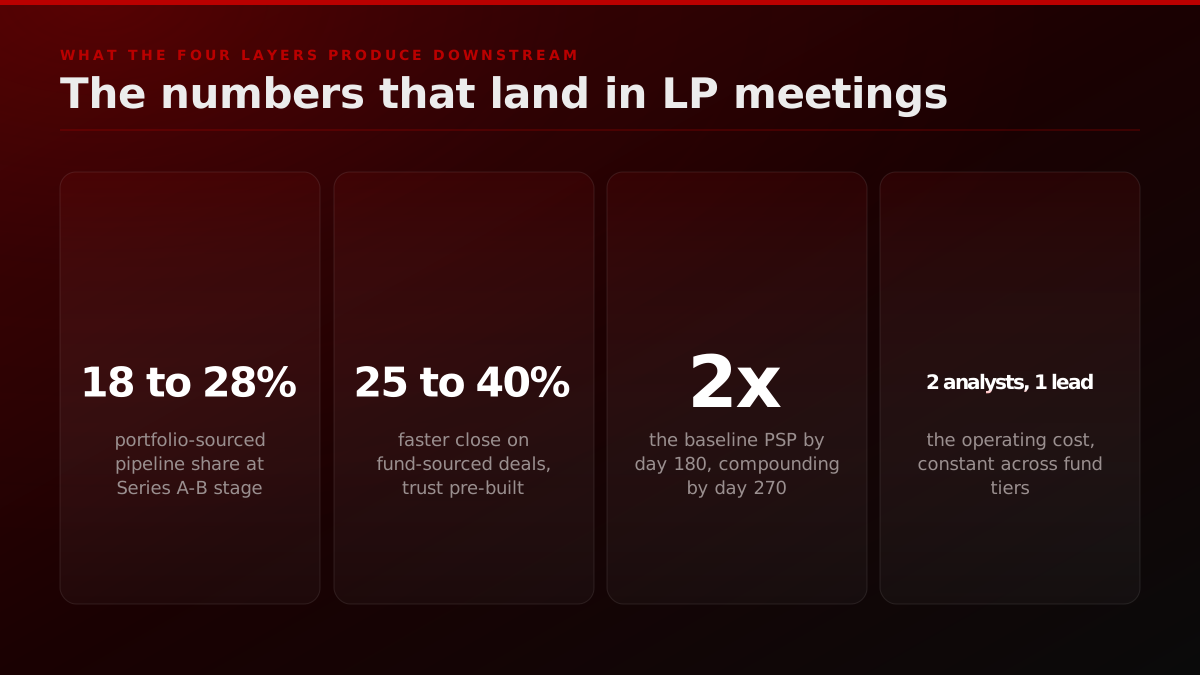
Once the four layers run in sync, three downstream numbers start to move, and they are the numbers that end up in LP meetings, TPM reviews, and re-up conversations. Portfolio-sourced pipeline lands at 18-28% of new pipeline inside Series A-B portcos. Fund-sourced deals close an estimated 25-40% faster than non-sourced deals. These are the numbers that turn a platform team into a P&L line.
- Portfolio-sourced pipeline (PSP). Dollars of open pipeline, per portco, directly attributable to a fund-sourced intro. On a clean Portfolio GTM Stack we see PSP land at 18-28% of total new pipeline inside portfolio companies at Series A-B stage. Below an estimated 10% usually means the orchestration cadence is broken; above 30% usually means the portco is over-indexing on the fund network and needs its own outbound motion too.
- Portfolio-sourced cycle time. Fund-sourced deals close 25-40% faster on average because the trust layer is pre-built. When we see cycle-time parity between sourced and non-sourced, the brand layer is missing, the intro is landing cold.
- Founder NPS on platform. Platform NPS is often used as the only metric. It isn't useless, but it lags. A fund with 70 platform NPS and 6% PSP is a fund whose founders feel supported and whose books don't show it. The number that matters is PSP; NPS is a morale reading, not a performance reading.
The stack does not directly optimize for these three. It optimizes for the four layers. The downstream numbers move because they are mathematically downstream of the same inputs.
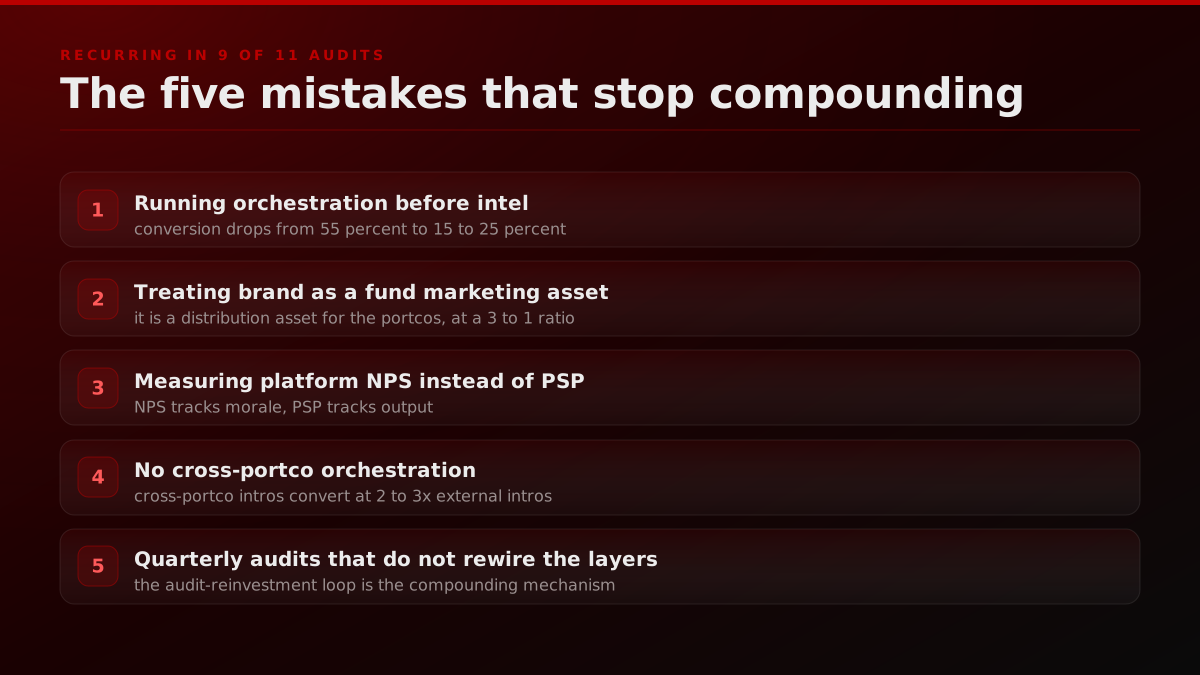
The 5 mistakes that keep funds from compounding portfolio GTM
Across the 11 fund audits we ran across 2025-2026, the same five mistakes recurred in 9 of 11 engagements. None are exotic. All compound. The most common is running orchestration before intel is in place, which cuts intro-to-meeting conversion from 55% to an estimated 15-25%. The second most common is measuring platform NPS instead of portfolio-sourced pipeline, which lets a fund feel good while the number stays flat.
- Running orchestration before intel. Intros sent without an up-to-date ICP table for the receiving portco convert at 15-25%. Intros sent with an ICP table convert at 55%+. The fix costs one analyst and a shared doc.
- Treating brand as a fund marketing asset. The fund's LinkedIn promotes fund deal announcements. It should promote portco shipping and portco founder voices at a 3 ratio. The fund brand is a distribution asset for the portcos, not the other way around.
- Measuring platform NPS instead of PSP. NPS tracks morale. Portfolio-sourced pipeline tracks output. You need both, but if you only track one, it must be PSP.
- No cross-portco orchestration. Most platform teams treat each portco as a separate ticket queue. The compounding funds orchestrate cross-portco, two portcos sharing a customer, a portfolio founder plugging a sister portco on their own podcast. Cross-portco intros convert at 2-3x the rate of external intros.
- Quarterly audits that don't rewire the layers. The audit only works if the output flows back into the plan for the next quarter. If PSP is down in sector X, the intel layer shifts to sector X the next month. The audit-reinvestment loop is the compounding mechanism.
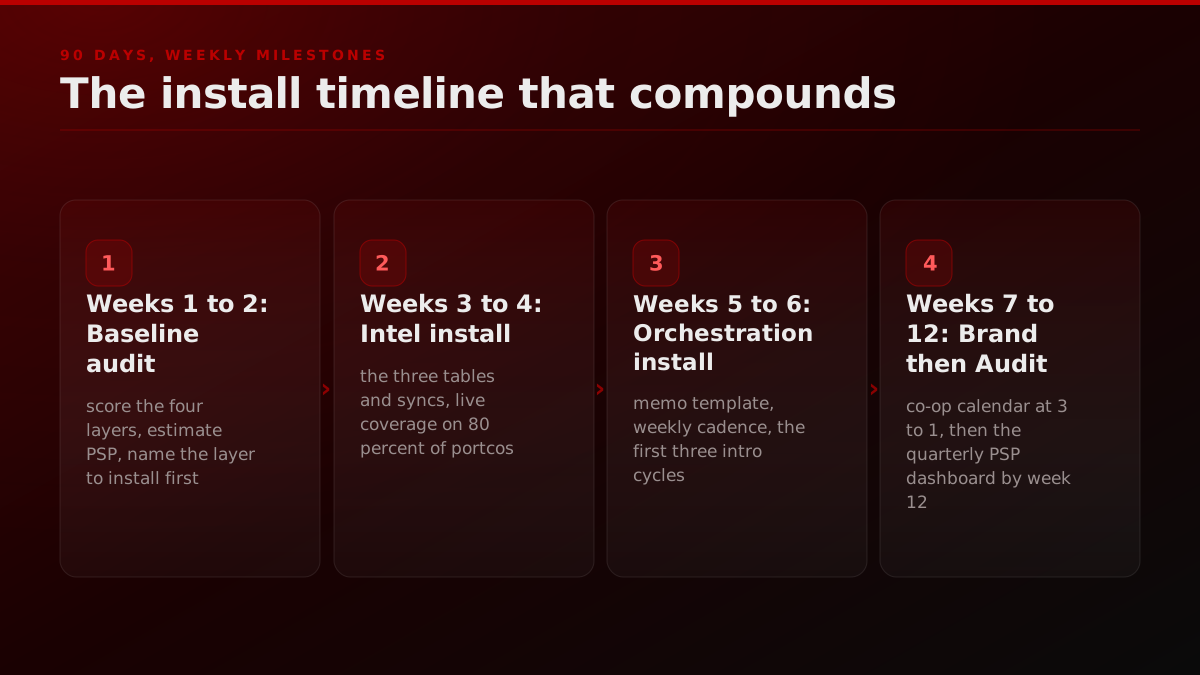
The 90-day install timeline
A fund cannot install all four layers in a single week, and a fund that tries usually produces a brittle version of each that collapses in the second quarter. The install timeline that compounds is 90 days long, with weekly milestones that build on each other.
Week 1 to 2 is the baseline audit. The platform lead, with help from a single analyst, pulls the last 12 months of intro records from Slack exports, partner inboxes, and portco CRM notes. The audit produces three artifacts, a baseline PSP estimate (usually noisy because the data was never collected for this purpose), a layer-by-layer maturity score 1 to 5, and a one-page summary of the highest-priority layer to install first. For 8 of 11 funds we have run this for, the highest-priority layer is intel, because every downstream layer compounds off it.
Week 3 to 4 is intel install. The platform team builds the three tables (hiring, shipping, ICP), schedules the weekly 30-minute portco syncs, and trains every founder on the ICP refresh rule. By the end of week 4, the fund has live coverage on an estimated 80% of portcos and the analyst rotation is locked.
Week 5 to 6 is orchestration install. The platform lead writes the intro-request memo template, builds the weekly cadence calendar, and runs the first three intro cycles with partners and portfolio founders. The platform team measures intro-to-meeting conversion from cycle one and compares to the pre-install baseline.
Week 7 to 9 is brand install. The co-op content calendar goes live with a 3
portco-to-fund ratio. The fund's primary social surface schedules two posts per week from the queue. If the fund runs a podcast, the booking pipeline shifts to 60% portco founders. Founder enablement content for the portcos who are not yet publishing is delivered as a Loom library plus a two-hour group workshop.Week 10 to 12 is audit install. The PSP dashboard is built in the fund's existing BI tool (Notion, Airtable, or a custom dashboard) with the attribution rules written down and shared with portcos. The first quarterly PSP audit is produced at the end of week 12 and shared with the LPs alongside the standard quarterly update.
By day 90, the fund has all four layers running, a baseline PSP number on the LP update, and a backlog of intel-driven cross-portco plays queued for the next quarter. By day 180 the PSP number is roughly 2x the baseline. By day 270 the stack is compounding, with the audit reinvestment loop driving each subsequent quarter's plan.
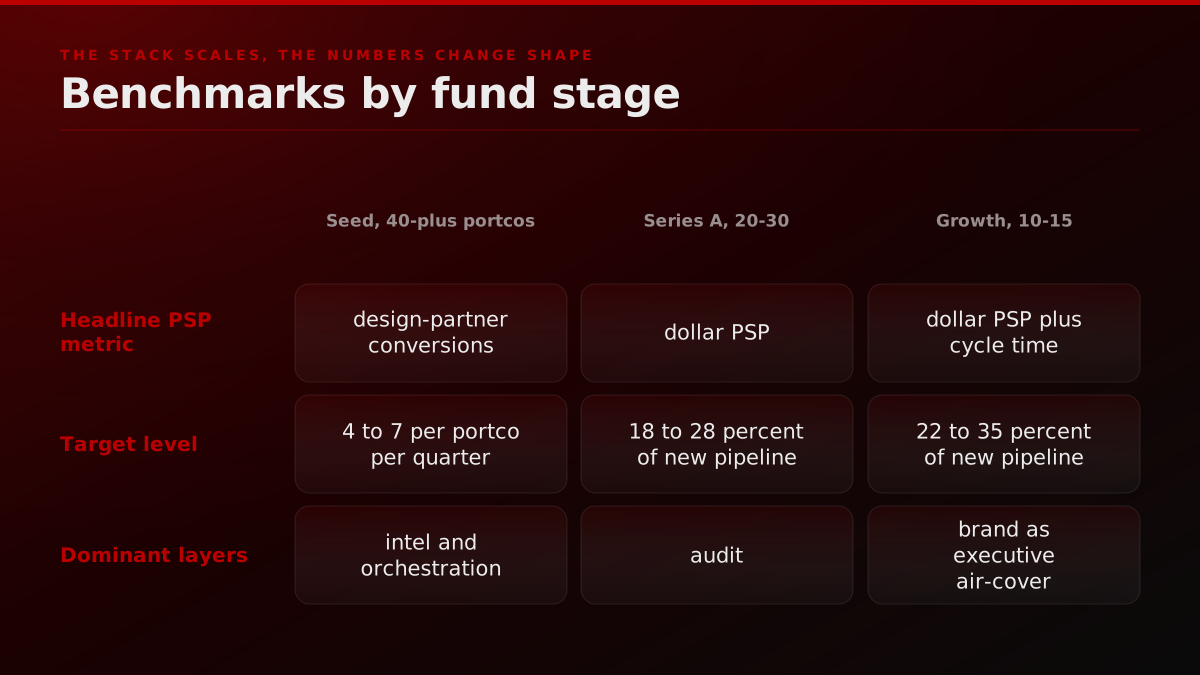
Benchmarks by fund stage and size
Portfolio GTM benchmarks are not constant across the fund universe. A pre-seed fund with 80 portcos has different leverage than a Series A fund with 25 portcos has different leverage than a growth fund with 12 portcos. The Portfolio GTM Stack scales across all three but the numbers it produces look different.
For seed and pre-seed funds with 40+ portcos, the dominant lift comes from the intel and orchestration layers. Founders at this stage are often pre-revenue or sub-1M ARR, so the orchestration layer is about getting first 10 design partners, first 5 paying customers, and first 3 senior hires. PSP at this stage is best measured as design-partner conversions rather than dollar pipeline, because dollar attribution is unstable below 1M ARR. A working stack at this stage puts 4 to 7 design partners per portco per quarter into the pipeline, with the fund-sourced share running at 30% to 40% of first 20 customers.
For Series A funds with 20 to 30 portcos, the dollar version of PSP becomes the right number. Portcos are post-revenue, sales motions are forming, and the fund's orchestration layer routes against ICPs that look like real enterprise buyers. PSP in dollar terms typically lands at 18% to 28% of new pipeline. Cycle-time lift is the second number to watch, with sourced deals closing 25% to 40% faster on average. The audit at this stage is the most important layer because it is the layer that maps to the LP update narrative most directly.
For growth and Series B+ funds with 10 to 15 portcos, the absolute dollars per intro climb fast, so even a modest orchestration cadence (one or two intros per portco per month) produces six-figure to seven-figure pipeline contributions per quarter. The brand layer at this stage shifts from broad reach to executive-level air-cover, with co-authored thought pieces, sponsored research, and conference keynote slots becoming the primary content surfaces. PSP at this stage typically lands at 22% to 35% of new pipeline because the cycle times are longer and the trust gradient is steeper, so warm fund-sourced intros punch above their weight.
In every fund tier, the operating cost of running the Portfolio GTM Stack stays roughly constant, two analysts plus one platform lead, with the partners contributing four to six hours per week to orchestration. The lift per portco scales with portco stage. The headline KPI changes shape (design partners at pre-seed, dollars at Series A, dollars plus cycle-time at growth) but the four-layer system is the same across the universe.
Portfolio GTM benchmarks by fund stage
| Fund stage | Typical portfolio | Headline PSP shape | Directional target |
|---|---|---|---|
| Seed and pre-seed | 40+ portcos | Design-partner conversions, not dollars | 4-7 design partners per portco per quarter |
| Series A | 20 to 30 portcos | Dollar pipeline plus cycle-time lift | 18-28% PSP; sourced deals close 25-40% faster |
| Growth and Series B+ | 10 to 15 portcos | Dollar pipeline with exec air-cover content | 22-35% PSP on longer sales cycles |
FORKOFF fund engagements and audits 2025-2026, directional estimates. At seed, the fund-sourced share runs 30-40% of the first 20 customers. Individual results vary by stage, sector, and market conditions.
How we run Portfolio GTM with funds at FORKOFF
Every fund engagement at FORKOFF starts with a baseline audit. We score the four layers 1-5, produce a PSP estimate from the last 12 months of data the fund already has (Slack exports, CRM notes, portco surveys), and surface the one layer whose under-investment is costing the most portfolio-sourced pipeline.
Then we install. Intel first, a Notion workspace, a weekly portco update template, an analyst cadence. Orchestration next, a matrix of warm-intro cadences, a founder-led intro-writing playbook, a Loom library of how to frame the ask. Brand third, a co-op content calendar between fund accounts and portco founders, with the 3
portco-to-fund ratio baked in. Audit last, a quarterly PSP dashboard, per portco, rolled up at the fund level, formatted for LP updates.By the second quarter of a FORKOFF engagement, the fund typically sees PSP land somewhere between 18% and an estimated 24% of new portfolio pipeline, with intro-to-meeting conversion above 55% and brand-layer pre-warming cutting cycle times by a third. Two related FORKOFF reads if you want the operator view: the Founder Funnel OS (which plugs directly into the brand layer for individual portco founders), and the Founder Growth service page for how we staff these engagements.
The Bottom Line
The single highest-leverage move a venture fund can make in 2026 is to treat its portfolio as a distribution asset and operate it with a stack rather than a Slack channel. The four-layer Portfolio GTM Stack produces a portfolio-sourced pipeline number a fund can defend in any LP update, and the 70% of funds that cannot produce that number today are leaving pipeline on the table that already belongs to them.
The Portfolio GTM Stack is the 4-layer OS that produces the number: Intel, Orchestration, Brand, Audit. Each layer has a cadence, an owner, and a metric. The four layers compound into one headline, portfolio-sourced pipeline, that is defensible in an LP update and visible on every portco's P&L.
The funds that adopt this are not adding a platform hire. They are adding a system on top of the platform team they already have. The 70% of funds that cannot produce a PSP number today are leaking pipeline that was already theirs to capture.
If you want the audit run for you, that is what we do at FORKOFF.
For an external operator view on this, see the Y Combinator channel for fund-side portfolio GTM frameworks. Related FORKOFF reads: agent-native GTM stack, Developer marketing strategy, Founder Funnel OS, VC Portfolio GTM, Agent-Ready Site Audit. References: LinkedIn.
Further reading: the YC library, First Round Review.
For the full picture, see the founder-led growth playbook.
For deeper cross-pillar context, see the clipping leverage for portfolio companies.
VC’s quick judgment reminded me why we stay bootstrapped and don’t chase funding (I will not promote)
A VC booked a call to discuss M&A. Two hours before, they cancelled. The reason: "You run multiple projects. As CEO, you need focus. We’re not interested." That was it. We are bootstrapped 7-figure ARR SaaS, two products, and I personally build side-projects I post about to try new things.… Show more
Sam Altman
@sama
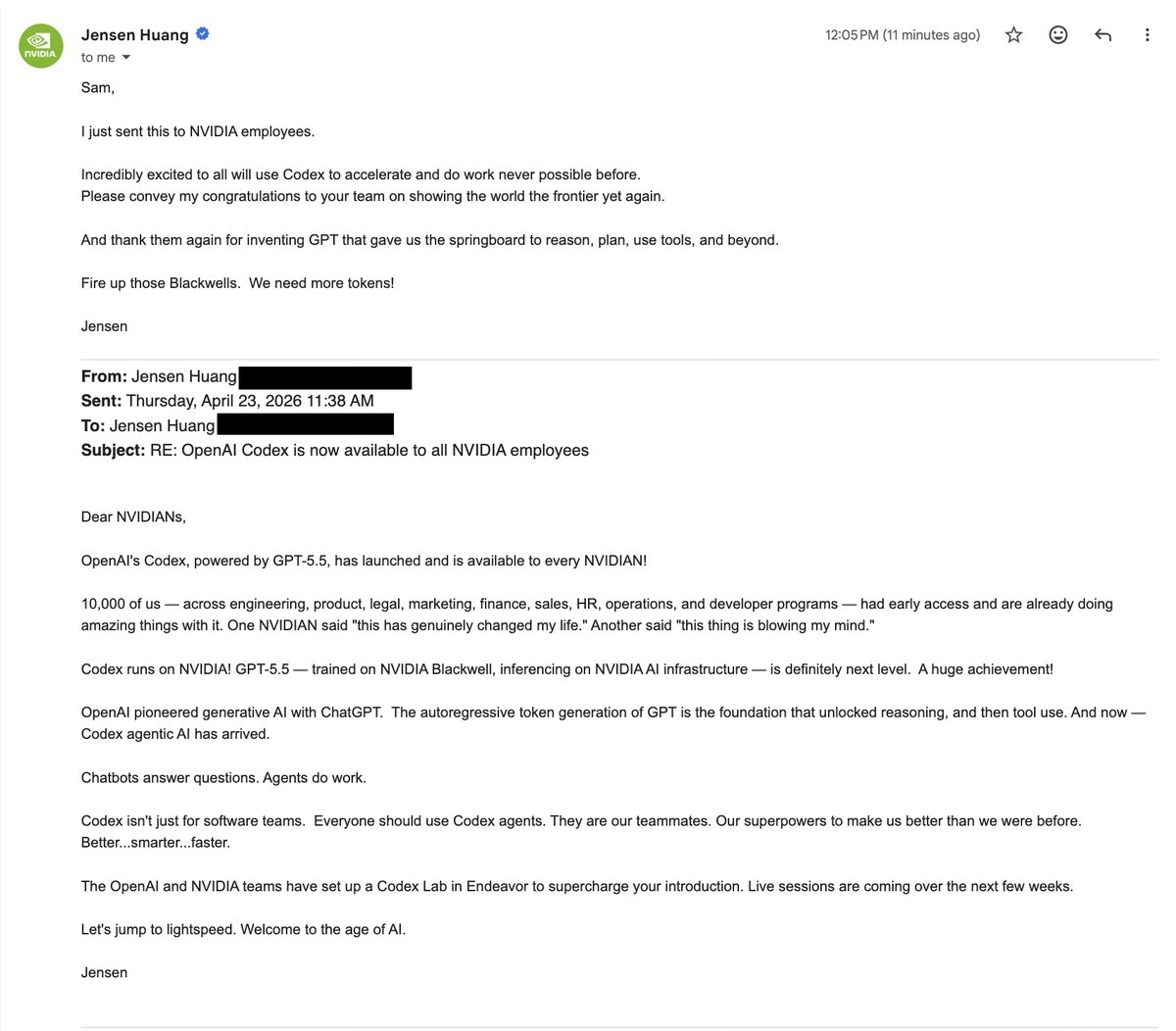
We tried a new thing with NVIDIA to roll out Codex across a whole company and it was awesome to see it work. Let us know if you'd like to do it at your company!


![How to Make a Launch Go Viral on X: The 5-Lever Playbook [2026]](/blog/covers/how-to-make-launch-go-viral-on-x-2026-cover.jpg)